
SEARCH
MESSAGE
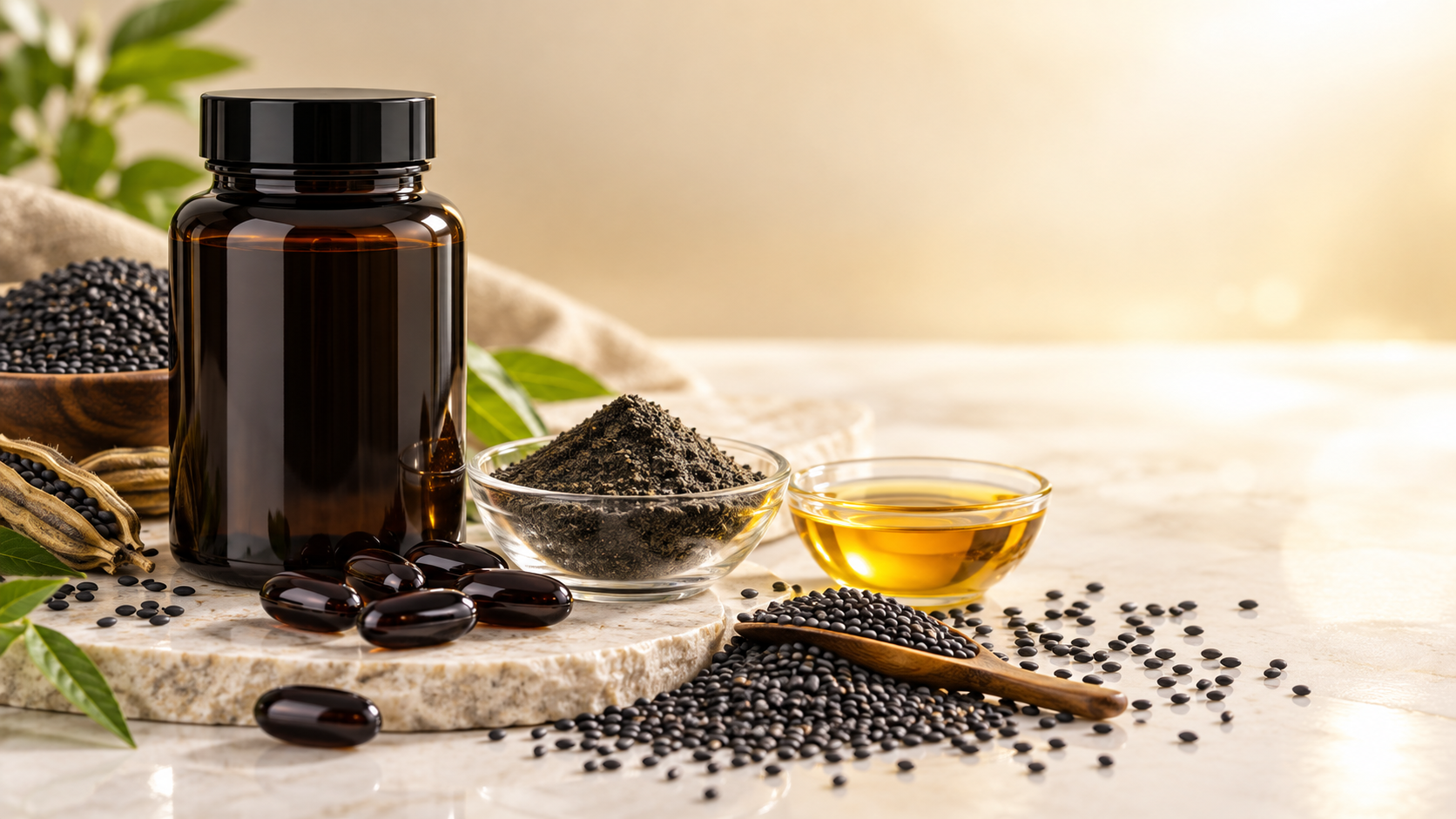
Choosing black sesame pills for skin care involves more than checking whether sesame appears on the front label. The quality of the sesame ingredient, the supporting nutrients, the delivery format, and the presence of allergens or unnecessary additives can all affect whether a supplement makes sense for your routine. For people hoping to support healthy-looking skin, the best formula is rarely the one with the longest ingredient list. It is usually the one with a clear purpose, transparent labeling, and no surprises.
Black sesame has a long history in food traditions and wellness practices, particularly in East Asia. Its naturally dark seed coat contains fats, fiber, minerals, and plant compounds such as lignans. That makes it appealing in beauty-from-within products. Still, a black sesame pill is a supplement, not a shortcut around sleep, nutrition, sun protection, or appropriate dermatologic care. A careful label review helps set realistic expectations and reduces the chance of buying a product that is poorly matched to your needs.
Start With the Type and Amount of Black Sesame
The first thing to identify is what “black sesame” actually means in the formula. Labels may list whole black sesame seed powder, roasted sesame powder, black sesame extract, sesame oil, or a blend of several forms. These are not automatically interchangeable. Whole-seed powder retains more of the original food matrix, while an extract may be designed to concentrate certain compounds. Sesame oil provides fatty acids but does not offer the same profile as ground seeds.
For black sesame pills for skin care, a manufacturer should state the ingredient form and the amount per serving. “Proprietary blend” language can make it difficult to know whether black sesame is genuinely central to the product or present only in a token amount. If an extract is used, look for a sensible explanation of what it is standardized for, if applicable. A standardized extract is not inherently better than seed powder, but the label should make its purpose understandable rather than relying on vague terms such as “premium essence” or “beauty complex.”
Roasting deserves a little thought as well. Roasted sesame often has a more pleasant flavor in food products, but heat can influence delicate oils. In a pill, this does not make roasted sesame unsuitable; it simply means packaging and manufacturing control matter. Oils rich in unsaturated fats can degrade over time when exposed to heat, light, or oxygen. A well-sealed bottle, a clear expiry date, and sensible storage instructions are more reassuring than dramatic claims about “freshness.”
Check Whether Supportive Nutrients Fit the Formula
Black sesame is often combined with nutrients associated with normal skin structure or antioxidant protection. Some additions can be reasonable, but a crowded formula is not always a better formula. The key question is whether each ingredient has a clear role and is included at a meaningful, safe level.
Common supporting ingredients include vitamin E, vitamin C, zinc, biotin, collagen peptides, hyaluronic acid, and plant-derived antioxidants. Each needs to be judged differently. Vitamin C is involved in normal collagen formation, while zinc contributes to normal skin maintenance and immune function. Those are established nutritional roles, but they do not mean every combination supplement will visibly change someone’s skin. Results depend on baseline nutrition, overall diet, skin concerns, and individual response.
Biotin is a frequent marketing ingredient in hair, skin, and nail formulas. It may be appropriate for people with a genuine nutritional need, but more is not automatically more useful. High-dose biotin can interfere with certain laboratory tests, including some hormone and cardiac-related assays. Anyone taking a high-biotin product should mention it before blood testing and follow the advice of their clinician or laboratory.
Collagen and hyaluronic acid are also common companions. Their presence may appeal to consumers looking for hydration or elasticity support, but they change the nature of the product. Collagen is commonly sourced from fish, bovine, porcine, or poultry materials, so it may not suit vegetarians, vegans, people with certain allergies, or those with dietary restrictions. A black sesame formula with collagen should identify the source clearly. If that source is not stated, it is reasonable to choose another option.

Do Not Overlook the Oil and Antioxidant System
One practical issue with sesame-based supplements is oxidation. Black sesame naturally contains oils, and some products add sesame oil or other botanical oils to create a softgel or concentrated capsule. When oils oxidize, the product may develop an unpleasant odor or taste and may no longer match the quality intended at manufacture.
Look for packaging that limits light exposure, such as an opaque bottle or blister pack. Antioxidants such as mixed tocopherols may be included to help protect oils in the formula. This is different from claiming that the product will provide a major skin benefit because it contains tocopherols; in many cases, their first function is simply to protect the product itself. That is a useful formulation detail, not a reason to pay a large premium.
A rancid or unusually sharp smell is a reason to stop using an oil-containing supplement and contact the seller or manufacturer. It is also wise not to store these products on a sunny bathroom shelf or in a hot car. “Best before” dates only make sense when the product has been stored under the conditions stated on the label.
Read the Full Label, Not Just the Active Ingredients Panel
The back label often tells you more about product quality than the front. Besides the active ingredients, review the capsule shell, fillers, flow agents, sweeteners, colorants, and flavorings. Some excipients are normal and necessary for manufacturing; a capsule needs structure, and powders often need help flowing consistently during production. The concern is not the mere presence of excipients. The concern is when the formula is vague, overloaded with cosmetic-style additives, or difficult to understand.
A short inactive-ingredient list can be convenient for people with sensitivities, but it is not a universal quality test. For example, rice flour, cellulose, silica, and vegetable capsules are common ingredients in dry capsules. Softgels may contain gelatin, glycerin, and purified water. What matters is accurate disclosure and whether those ingredients work with your dietary preferences and health needs.
Be cautious with products that rely heavily on artificial colors, strong flavor masking, or multiple sweeteners when they are not needed for the delivery format. Gummies and chewables can be easier to take, but they may introduce sugar, syrups, acids, and coloring agents that a simple capsule does not require. For someone already taking several supplements daily, a straightforward capsule or tablet may be easier to assess and less likely to duplicate unwanted ingredients.
Sesame Allergy Is a Non-Negotiable Check
Sesame is a recognized food allergen in many markets. If you have a sesame allergy, have reacted to tahini, sesame oil, sesame snacks, or foods containing sesame seeds, do not assume a pill will be safer because it looks medicinal. Concentrated products may still trigger a reaction, and even refined ingredients should not be treated casually without professional advice.
People with a history of severe food allergy should be especially attentive to allergen statements and cross-contact warnings. A label may indicate that a product is made in a facility handling nuts, soy, milk, shellfish, wheat, or other allergens. Such warnings do not always mean the product contains those substances, but they matter for highly sensitive individuals. If the label is unclear, contact the manufacturer rather than guessing.
It is also worth checking for allergens added through companion ingredients. A “black sesame beauty” supplement may contain fish collagen, soy-derived ingredients, milk-based components, or beeswax in a softgel. The front of the package may focus on sesame, while the actual allergen concern sits in smaller type near the ingredient list.
Avoid Formulas That Try to Promise Too Much
Skin care supplements are often sold with broad promises: clearer skin, brighter complexion, collagen renewal, detoxification, hormonal balance, and anti-aging support in one bottle. That combination should prompt a pause. Skin changes have many possible causes, including irritation from cosmetics, acne, eczema, sun exposure, hormonal shifts, medication effects, nutritional deficiency, and underlying health conditions. A supplement cannot responsibly diagnose or solve all of them.
Be particularly careful with formulas that add numerous herbs without explaining their use or safety considerations. Some botanical ingredients can interact with medicines or may not be appropriate during pregnancy or breastfeeding. A product designed around black sesame does not need an extra dozen extracts to be credible. In fact, when you are trying to determine whether a supplement suits you, a cleaner formula is usually easier to evaluate.
Claims that a pill can replace sunscreen, reverse a medical skin condition, or produce rapid visible transformation are another warning sign. For day-to-day skin health, the basics remain stubbornly important: adequate protein and micronutrients, regular hydration, sun protection, gentle topical care, and medical assessment when symptoms are persistent or severe.
A Practical Label Checklist Before You Buy
When comparing two or three products, it helps to use the same questions for each one rather than being guided by packaging. The following points usually reveal the meaningful differences:
- Is black sesame listed as seed powder, extract, oil, or a combination, and is the amount per serving disclosed?
- Are supporting nutrients relevant to your goals, or are they included mainly for marketing appeal?
- Does the formula duplicate nutrients already found in your multivitamin, beauty powder, or fortified foods?
- Are allergens, capsule materials, and inactive ingredients clearly identified?
- For oil-based products, does the packaging protect the contents from light and air?
- Is there a clear lot number, expiry date, serving instruction, and accessible manufacturer contact information?
- Does the marketing stay within sensible wellness language rather than promising treatment or dramatic cosmetic results?
Manufacturing transparency is also useful. A company may state that production follows recognized quality practices, but such claims should be supported by meaningful label information or documentation where appropriate. Do not treat a vague badge or a decorative seal as proof of quality. If a product is important to your health routine, buy from a seller that provides a complete label image, not only a polished front-of-pack photograph.
Who Should Ask a Healthcare Professional First?
Most food-based supplements seem simple, but “natural” does not mean suitable for everyone. Speak with a pharmacist, physician, or qualified dietitian before starting black sesame pills if you have a sesame allergy, are pregnant or breastfeeding, take regular medication, manage a chronic condition, or are considering a multi-ingredient beauty supplement. This is especially important if the product contains herbs, high-dose vitamins, minerals, or collagen from an unfamiliar source.
If your skin concern is new, worsening, painful, or accompanied by swelling, hives, breathing difficulty, unexplained hair loss, or widespread rash, it is not a good moment to experiment with supplements. Those situations call for clinical advice. A pill may be part of a broader wellness routine, but it should not delay proper assessment.
Choose Clarity Over Complexity
The strongest choice is usually a black sesame product that tells you exactly what it contains, why the supporting ingredients are there, and how to use it safely. Look for a clearly identified sesame form, a sensible serving size, transparent allergen information, and packaging appropriate for the formula. Treat extravagant skin claims as a reason to investigate more closely, not as proof that a product is more effective.
For black sesame pills for skin care, the ingredient list should help you make a calm decision. If it leaves you unsure about dosage, allergens, oil quality, or added actives, that uncertainty is useful information. Put the bottle back, compare another label, and choose the formula you can actually understand.