SEARCH
MESSAGE
Why pre-purchase checks matter more in real ejiao block sourcing
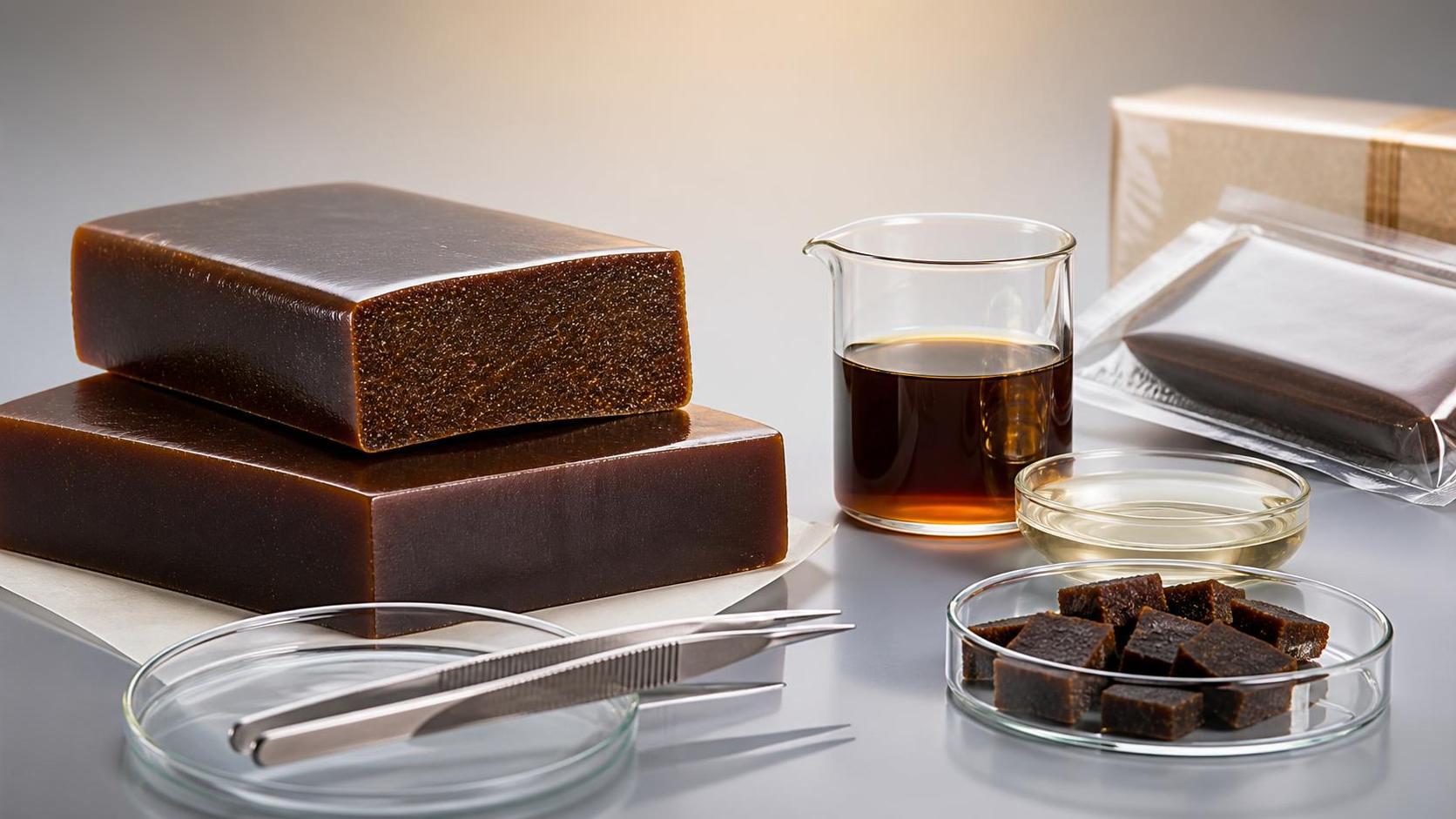
When an ejiao block looks acceptable at first glance, the real risk often stays hidden in texture, odor, residue, or storage damage.
In pharmaceutical and health product supply chains, these details affect safety review, formulation consistency, and downstream compliance.
A poor ejiao block may soften too quickly, fracture unevenly, release an odd smell, or show surface contamination after unpacking.
Those issues are not only visual defects. They can signal unstable processing, unsuitable raw materials, or weak storage control.
In actual use, the right inspection approach depends on where the ejiao block will go next.
Material intended for direct retail presentation needs stable appearance. Material used for further extraction needs more attention on internal uniformity and impurity control.
That is why checking ejiao block quality before buying should never rely on one single pass or a supplier photo.
Different downstream uses change what counts as a quality problem
The same ejiao block defect can carry different weight in different settings.
A slight color variation may be manageable in one batch-based processing flow, but it becomes a warning sign in premium consumer packaging.
An odor that seems minor during warehouse inspection may become unacceptable once the block is heated, dissolved, or mixed with other ingredients.
More commonly, problems appear when teams assume all ejiao block products behave the same under transport, storage, and reprocessing conditions.
Some lots are dense and stable, while others become sticky in humid conditions or show hidden bubbles after cutting.
If the ejiao block will be paired with liquid or digestive support formulas, such as Hawthorn, Malt & Poria Cocos Oral Liquid, compatibility planning also matters.
In that context, odor carryover, dissolution behavior, and sensory consistency deserve extra review before procurement approval.
A quick comparison helps set the inspection focus
When appearance is the first filter, small details say a lot
Visual inspection is basic, but it should be more than a quick look at outer color.
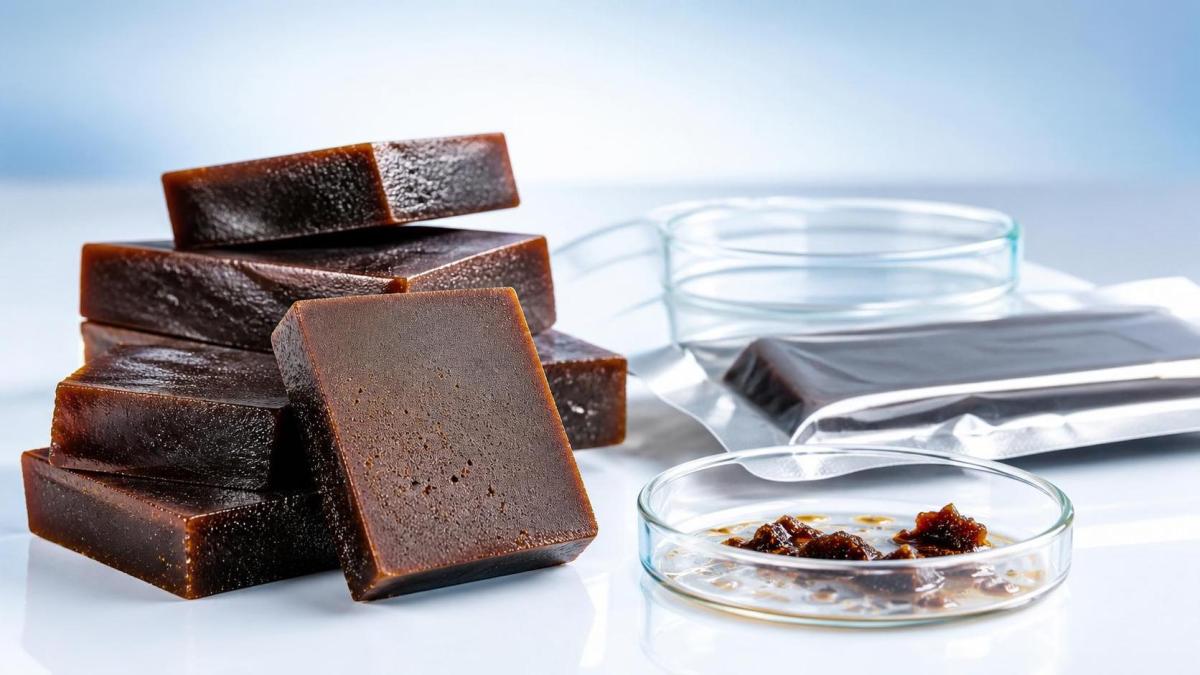
A reliable ejiao block usually shows stable tone, even structure, and a surface free from foreign specks or greasy moisture.
If one block in the same lot appears much darker, cloudier, or more brittle, consistency may already be compromised.
Edges matter too. Chipped corners and powder-like shedding often reflect excessive dryness, rough handling, or poor forming control.
For the ejiao block used in premium packaging, surface neatness becomes part of quality credibility.
A common mistake is accepting minor visual deviation because the supplier describes it as natural variation.
Natural variation exists, but repeated inconsistency across pieces usually points to batch instability rather than authenticity.
Useful appearance checks before sample approval
- Compare several pieces under the same light, not just one selected sample.
- Check the cut face for bubbles, graininess, or layered structure.
- Look for sticky film, surface bloom, or abnormal shine after unpacking.
- Note whether fragments break cleanly or crumble into loose powder.
Texture and odor become critical in processing-oriented scenarios
Once the ejiao block is heated, cut, or dissolved, hidden quality differences become easier to detect.
A block that is too hard may suggest over-drying or aging. One that bends or sticks excessively may hold too much moisture.
Neither condition is ideal if process repeatability matters.
Odor deserves equal attention. A proper ejiao block should not release sour, burnt, moldy, or sharply chemical notes.
In practical review, unusual odor is often treated as a side issue until later formulation work exposes it more clearly.
That delay increases rejection cost and complicates traceability.
This is especially relevant when the ingredient profile must remain clean alongside other health products, including Hawthorn, Malt & Poria Cocos Oral Liquid.
Cross-product odor interference is subtle, but it can affect sensory acceptance and internal quality review.
Practical checks that reveal hidden quality issues
- Warm a small sample gently and record any odor change.
- Cut through the center to confirm density remains even.
- Observe whether dissolution leaves excess sediment or floating impurities.
- Check if texture shifts after brief exposure to room humidity.
Storage and transport conditions often explain later complaints
An ejiao block may leave production in acceptable condition and still arrive with quality concerns.
This happens more often in long routes, seasonal heat, or warehouses with poor humidity control.
Blocks may soften, stick to inner packaging, absorb foreign odor, or develop patchy discoloration.
In these cases, the defect is real even if the original manufacturing record looks clean.
That is why pre-purchase evaluation should include packaging strength and storage assumptions, not only the ejiao block itself.
A sealed sample kept in stable conditions tells only part of the story if the actual shipment will face temperature swings.
Questions worth confirming before placing a batch order
- What humidity range is assumed for storage after packing?
- Does inner packaging prevent sticking and odor transfer?
- How long can the ejiao block remain stable during transit delays?
- Are retained samples available from the same production lot?
Where buyers misjudge ejiao block quality most often
The most common misjudgment is treating a certificate as a substitute for physical review.
Documents matter, but they do not show stickiness, odor drift, or cross-section irregularities.
Another weak point is evaluating only the best-looking sample piece.
More reliable judgment comes from checking variation within the same lot.
Price-only comparison creates another problem. A lower-cost ejiao block may require stricter sorting, extra rejection, or added storage control later.
There is also a tendency to treat similar appearance as proof of similar performance.
Two ejiao block batches can look close on the surface but behave differently during cutting, dissolving, or shelf storage.
A better way to reduce procurement risk
Before buying, build a simple check standard that matches the real use case
The most effective ejiao block review process is usually the simplest one that still reflects actual use conditions.
Start by defining the intended application, not by copying a generic checklist.
If appearance stability matters most, tighten visual consistency rules. If the ejiao block will be processed, add texture, odor, and residue checks.
If transport conditions are demanding, test packaging and temporary storage tolerance before confirming the supplier lot.
A practical next step is to compare several retained samples side by side, record acceptable variation, and define rejection triggers clearly.
That approach makes ejiao block decisions more consistent and reduces surprises after the purchase order is already in motion.
In the end, better buying decisions come from matching checks to use conditions, storage reality, and downstream quality expectations.