SEARCH
MESSAGE
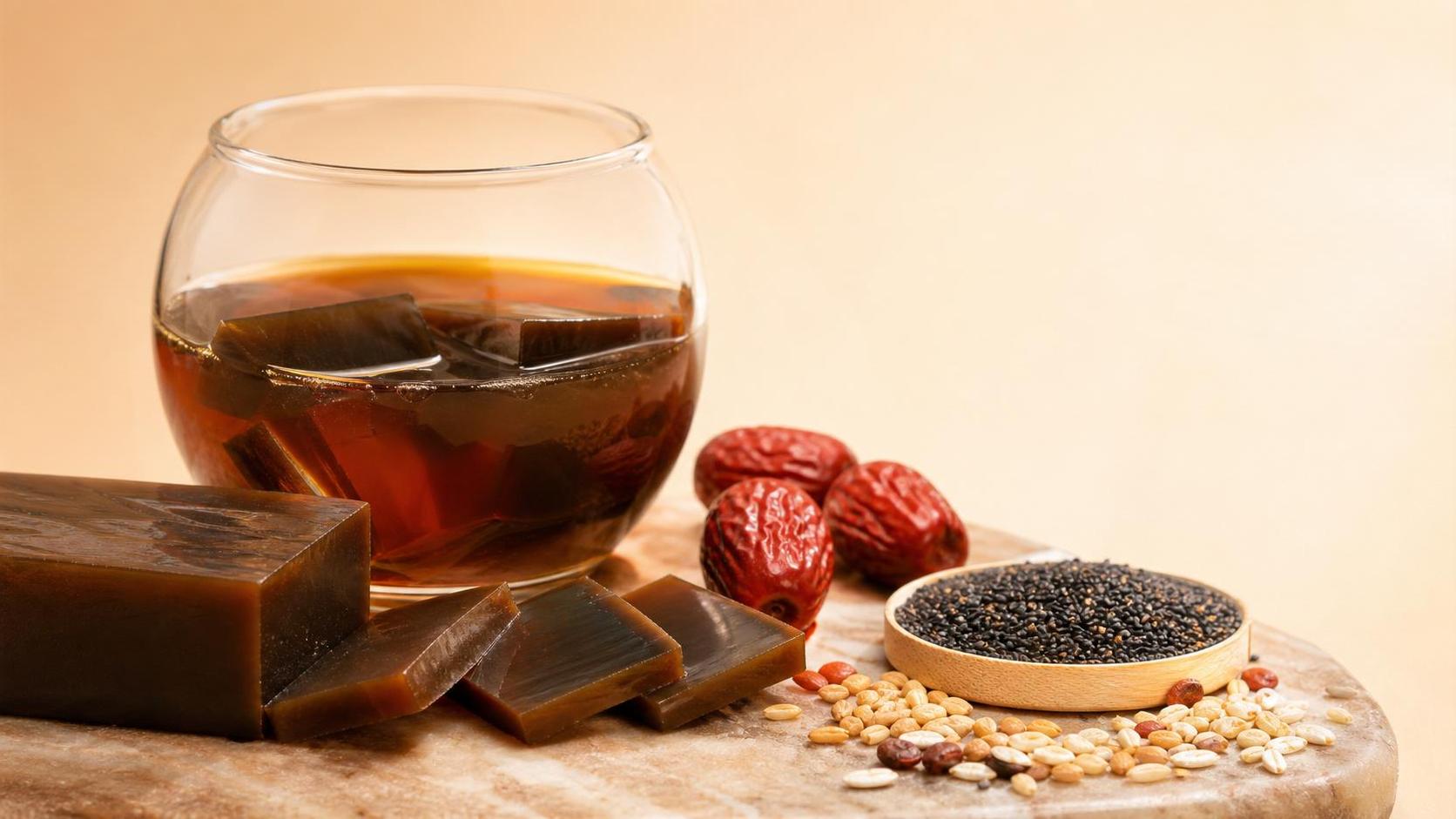
Ejiao block sits at the intersection of traditional wellness practice and today’s health product research. It is widely recognized in Chinese medicinal culture, yet it also raises practical questions about sourcing, formulation, dosage form, and consumer understanding. Looking closely at what ejiao block is and how it has been used helps explain why it still appears in discussions around restorative nutrition, functional foods, and heritage-based supplements.
Understanding what ejiao block actually is
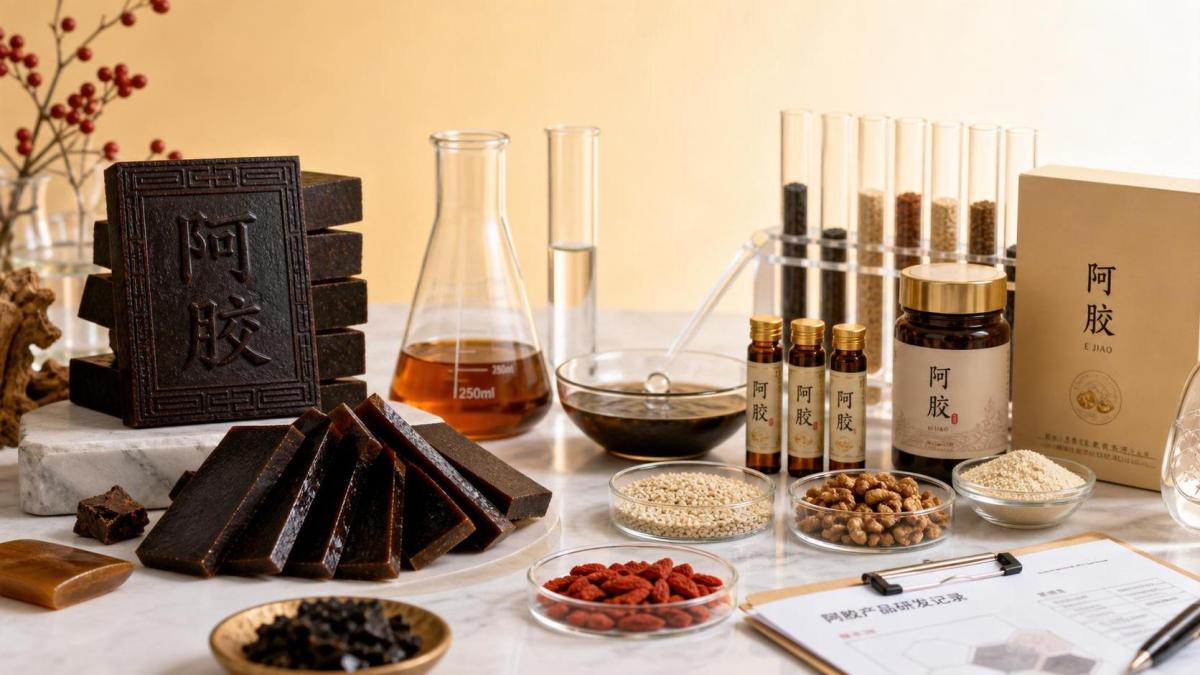
At its core, ejiao block refers to a solid form of donkey-hide gelatin. The material is processed into dense blocks that can later be cut, dissolved, blended, or further formulated.
In traditional Chinese health culture, ejiao block is associated with nourishment, recovery, and balance. It is not simply viewed as a sweet confection or ordinary gelatin ingredient.
Historically, the value of an ejiao block came from both the raw material and the craftsmanship behind preparation. Water quality, simmering time, concentration, and purification all mattered.
That background is important because modern buyers often encounter ejiao block in packaged formats, while the traditional concept is tied to process, not just appearance.
Why the ingredient still matters in health products
Interest in ejiao block remains steady for one simple reason: it represents continuity between traditional wellness formulas and contemporary product development.
In the pharmaceutical and health supplement sector, ingredients with deep cultural recognition often carry both market value and educational challenges. Ejiao block is a clear example.
Some product developers value it for heritage positioning. Others focus on format innovation, including ready-to-eat pieces, powdered blends, drink concentrates, and fortified health foods.
More importantly, the continued presence of ejiao block reflects a wider consumer pattern. Traditional ingredients are increasingly evaluated through modern standards of traceability, convenience, and safety.
A traditional name in a modern market
Today, ejiao block is not discussed only in classical herbal contexts. It also appears in wellness gifting, women’s nutrition products, seasonal nourishment products, and premium functional food lines.
That broader use means researchers and buyers need to distinguish between cultural meaning, commercial presentation, and actual formulation quality.
How ejiao block is traditionally made
Traditional preparation begins with donkey hide as the source material. Through repeated soaking, cleaning, controlled heating, and extraction, collagen-rich material is converted into gelatin.
The extracted liquid is then concentrated until it thickens. After that, it is cooled and solidified into an ejiao block that can be stored or processed into other forms.
In older practice, this stage was closely linked to artisanal judgment. Texture, color, aroma, and dissolution behavior were all considered signs of quality.
Modern production adds standardized controls, but the traditional logic remains recognizable: purity of input, consistency of extraction, and stability of the final block.
How it has traditionally been used
The traditional use of ejiao block is closely linked to restorative formulations. It has often been combined with ingredients such as nuts, seeds, herbs, or sweeteners in nourishing preparations.
In practical use, the block may be dissolved into warm mixtures, cooked into tonic-style recipes, or incorporated into compact supplemental foods.
Its traditional reputation centers on supporting replenishment and general wellness, especially during periods associated with fatigue, seasonal adjustment, or recovery-oriented nutrition.
This is also why many current products frame ejiao block within a broader concept of nourishment rather than as a single isolated active ingredient.
Common traditional presentation formats
- Solid blocks for slicing or melting into prepared blends
- Cooked tonic foods paired with grains, nuts, or herbs
- Ready-to-eat gelatin-based cakes designed for convenience
- Seasonal nourishment products positioned for routine wellness support
A contemporary example of this transition from raw block to convenient format is Donkey-hide Gelatin Cake, which reflects how traditional ingredients are adapted into easier daily-use products.
What the industry pays attention to now
Current attention around ejiao block goes beyond tradition. Manufacturers, researchers, and distributors increasingly focus on authenticity, regulatory positioning, and communication clarity.
One challenge is that heritage ingredients can be strongly recognized by name, while actual product quality varies widely. This makes category understanding especially important.
Another issue is format drift. Some products keep the character of an ejiao block, while others only borrow the concept for branding without preserving meaningful formulation value.
That is why serious evaluation usually combines ingredient origin, production standards, label transparency, sensory profile, and intended use context.
Key areas of attention
- Source integrity of the gelatin raw material
- Consistency in the processing method
- Whether the dosage form matches the traditional use logic
- Clear labeling for ingredient composition and storage guidance
- Appropriate claims within the relevant regulatory environment
Where ejiao block fits in actual product planning
From a business perspective, ejiao block can be understood in several ways. It may function as a heritage ingredient, a premium wellness component, or a bridge between traditional and convenience-led formats.
This matters when evaluating product lines in the health sector. A raw ejiao block serves a different purpose from a finished snack-like tonic, even if both use the same traditional reference.
For that reason, category planning should start with intended use. Is the goal authenticity, everyday usability, gift positioning, or inclusion in a broader restorative formula?
Those choices affect packaging, serving format, taste profile, and how much explanation the product needs at the point of sale.
How to evaluate ejiao block products with more confidence
When assessing an ejiao block product, the most useful starting point is not branding. It is the relationship between source, process, format, and stated purpose.
A well-positioned item should make sense in all four areas. If one part feels vague, the overall value becomes harder to judge.
Useful checkpoints
- Check whether the ejiao block content is clearly described
- Review how the product form aligns with traditional usage patterns
- Look for manufacturing transparency and stable quality indicators
- Consider whether added ingredients support or dilute the concept
- Assess whether usage guidance is realistic for the intended setting
In some cases, a convenient product such as Donkey-hide Gelatin Cake may be easier to compare than a raw block, because the format reveals how tradition has been translated into a finished health item.
A practical way to move the research forward
Ejiao block is best understood as more than a legacy ingredient. It is a category marker, a formulation component, and a signal of how traditional wellness knowledge enters modern product systems.
A useful next step is to compare products by raw material clarity, dosage form, intended use, and processing credibility rather than relying on name recognition alone.
That approach makes it easier to distinguish cultural relevance from marketing language. It also helps build a more grounded view of where ejiao block fits within pharmaceutical and health product development today.
For anyone tracking traditional ingredients in modern wellness markets, that kind of structured comparison is usually the most reliable place to continue.