SEARCH
MESSAGE

Choosing ejiao can be confusing, especially with so many products claiming superior quality and benefits. If you are looking for an ejiao block for energy boost, understanding the most common selection mistakes is essential before you buy. From ignoring ingredient purity to overlooking sourcing and processing standards, this guide will help you avoid costly errors and choose a product that truly supports your wellness goals.
For distributors, wellness retailers, procurement teams, and informed buyers in the pharmaceutical and health supplement sector, ejiao selection is not only about tradition. It is also about raw material control, process consistency, label transparency, and suitability for the intended use case.
A poor decision can lead to weak efficacy perception, customer complaints, unstable repeat orders, or regulatory review risks. A better decision starts with knowing which mistakes appear most often and how to screen products with practical, evidence-based criteria.
Why Buyers Make Mistakes When Choosing Ejiao
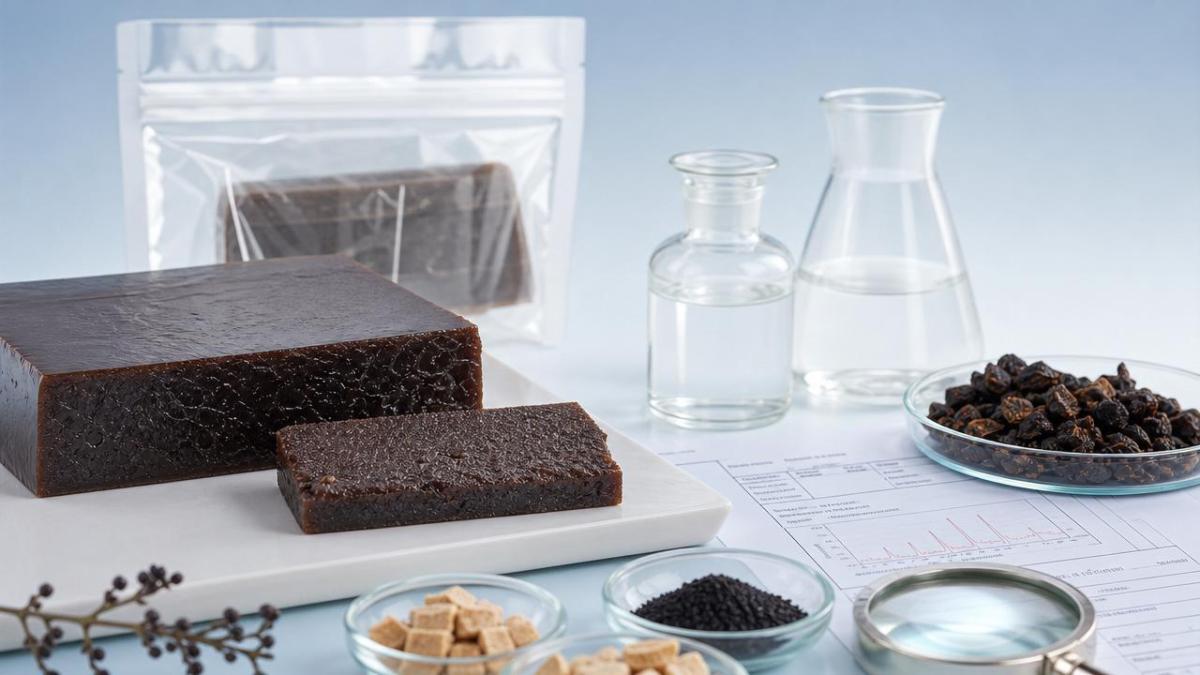
Ejiao has a long history in traditional wellness applications, yet the current market includes wide variation in source material, concentration, excipients, taste profile, and manufacturing discipline. Two products may look similar on the shelf but differ significantly in purity, solubility, odor, and batch stability.
This becomes more important when the purchase goal is an ejiao block for energy boost. Buyers often focus on packaging claims instead of 4 core factors: ingredient authenticity, process control, dosage suitability, and storage stability. Missing even 1 of these factors can reduce the value of the purchase.
The Market Problem: Appearance Often Replaces Substance
One of the most common errors is assuming darker color, stronger aroma, or higher price automatically means better quality. In reality, sensory traits can help initial screening, but they should never replace supplier documentation, ingredient review, or batch-level quality checks.
In B2B sourcing, relying on visual impressions alone is risky because a product may include added sugars, flavoring agents, or fillers that change texture and taste. These additions are not always problematic, but they must be clearly disclosed and matched to the target market.
Typical Buyer Groups and Their Blind Spots
- Retail buyers may prioritize consumer-friendly packaging over manufacturing transparency.
- Private-label teams may focus on cost per unit while overlooking raw material traceability.
- Importers may compare 3 to 5 quotations without checking process differences.
- End users may assume all ejiao blocks deliver similar support for vitality and recovery.
These blind spots explain why complaints often involve taste inconsistency, poor dissolving behavior, or unclear benefit expectations rather than obvious visual defects.
Common Mistakes That Lead to Poor Ejiao Purchases
Most selection problems can be traced to a small set of repeat mistakes. The table below outlines 6 frequent errors, how they affect product performance, and what buyers should verify before ordering an ejiao block for energy boost.
The key takeaway is that quality problems often start before the first shipment arrives. A structured review process can reduce product mismatch, lower complaint rates, and improve confidence in long-term supply decisions.
Mistake 1: Not Verifying Ingredient Purity
Purity is one of the first issues to examine when selecting an ejiao block for energy boost. Some products are positioned as premium wellness support but include a high proportion of sweeteners or supplementary ingredients that shift the formula away from the buyer’s intended positioning.
Ask for the ingredient breakdown, not just the front-label message. A serious buyer should review at least 3 points: main ejiao content, added functional ingredients, and whether excipients serve a technical purpose or mainly lower manufacturing cost.
What to check
- Whether the formula is pure ejiao or a blended wellness product
- Whether added sugars affect diabetic-friendly or low-sugar positioning
- Whether herbs, gelatin components, or flavors are clearly listed
Mistake 2: Ignoring Sourcing and Raw Material Standards
Raw material quality directly affects user perception. In practical terms, buyers should ask how materials are sourced, screened, and accepted into production. Even when the supplier does not disclose every upstream detail, they should explain their inspection logic and rejection criteria.
A useful minimum review includes 4 checkpoints: origin statement, incoming quality inspection, contaminant screening approach, and raw material storage conditions. If a supplier cannot explain these basics in a clear way, that is already a warning sign.
Mistake 3: Overlooking Manufacturing Process Consistency
Processing affects solubility, texture, odor control, and final block stability. Buyers should ask whether production uses standardized temperature ranges, concentration controls, filtration stages, and drying or molding procedures that are repeated from batch to batch.
In supplement procurement, process consistency matters just as much as formula design. A product with acceptable composition but unstable processing can still lead to 5 common issues: uneven hardness, difficult portioning, sediment concerns, flavor inconsistency, and shelf-life variation.
How to Evaluate an Ejiao Block for Energy Boost Before Buying
A strong evaluation method should be practical, repeatable, and suitable for both small trial orders and larger procurement plans. Instead of relying on one sample impression, use a 5-step screening process that covers documents, product form, stability, usage fit, and supplier responsiveness.
A 5-Step Screening Workflow
- Review ingredient list and intended positioning.
- Request quality documents and batch-related information.
- Test sensory and physical characteristics across 1 to 3 samples.
- Confirm storage, packaging, and shipping requirements.
- Evaluate supplier communication speed and technical clarity.
This workflow helps separate attractive marketing language from operational quality. In many cases, the supplier’s ability to answer technical questions within 24 to 72 hours is itself a useful indicator of supply maturity.
Key Evaluation Factors in Procurement
The table below provides a practical procurement checklist for teams comparing more than one ejiao block for energy boost. It is especially useful for distributors, pharmacies, cross-border sellers, and private-label supplement companies.
A product may score well on appearance but still fail in packaging, consistency, or technical support. For B2B buyers, those operational factors often determine whether the product performs well after launch, not just during sample review.
Questions to Ask Before Placing an Order
Before confirming a supplier, ask direct questions and compare the quality of answers. Strong suppliers do not need to promise perfection, but they should provide specific, usable information. Vague replies usually create bigger problems later in logistics, labeling, or customer service.
- What are the main ingredients and their approximate proportions?
- How is batch consistency checked before release?
- What storage temperature and humidity conditions are recommended?
- What is the typical shelf-life range, such as 12, 18, or 24 months?
- Can samples from more than 1 production batch be provided?
Red Flags in Labeling, Claims, and Product Positioning
Another major mistake is trusting claims that sound impressive but reveal little. Terms like premium, royal grade, or ancient formula may help branding, yet they do not replace real information about composition, processing, or intended consumption pattern.
This issue is especially relevant for an ejiao block for energy boost because buyers may expect noticeable support for vitality, recovery, or daily nourishment. Product positioning should remain aligned with lawful, responsible wellness communication rather than exaggerated promises.
Claims That Need Closer Review
- Claims with no explanation of ingredient basis
- Benefit statements that sound medicinal rather than wellness-oriented
- Packaging that highlights tradition but omits serving guidance
- Premium pricing without matching documentation or process details
Responsible procurement teams usually compare 2 layers at the same time: the consumer-facing message and the technical file behind it. If those 2 layers do not match, the product may create compliance or trust issues after launch.
How Positioning Should Match the Target Audience
Not every ejiao product suits the same channel. A traditional tonic format may work for specialty wellness stores, while a more portion-controlled format may be better for younger professionals or gift-oriented retail. Channel mismatch is a frequent but avoidable procurement error.
For example, a buyer serving office workers may prefer a format that is easy to store and consume in 1 to 2 small servings per day. A more traditional customer base may accept stronger taste and firmer texture if the product is perceived as more authentic.
Storage, Shelf Life, and Supply Chain Mistakes
Even a well-made ejiao block can underperform if logistics and storage are poorly managed. Moisture exposure, excessive heat, damaged seals, and long transit times can change texture, aroma, or consumer acceptance before the product reaches the shelf.
In practical terms, buyers should confirm 3 supply chain points before scaling orders: package integrity, recommended storage environment, and shipping duration. A product intended for 15 to 30 days of distribution travel may need more protective packaging than one sold locally.
Common Supply Chain Oversights
- Using packaging that does not sufficiently limit moisture exposure
- Failing to rotate inventory by production date and shelf-life window
- Not testing sample quality after transport under seasonal heat conditions
For buyers handling imported wellness products, seasonal conditions can matter. Summer shipments, warehouse fluctuations, and extended customs clearance can create quality drift over 2 to 6 weeks if packaging and storage planning are weak.
Why After-Sales Quality Review Matters
A strong procurement system does not end when the order is delivered. Teams should log complaints, monitor repeat purchase rates, and compare at least the first 2 or 3 batches for consistency. This creates a feedback loop that protects future sourcing decisions.
If multiple customers mention unusual odor, inconsistent hardness, or poor dissolving behavior, those signals should be reviewed against batch records and storage conditions. Early correction is less costly than allowing a weak product to damage market trust.
How to Choose More Confidently
Choosing the right ejiao block for energy boost requires more than comparing claims or prices. The most reliable decisions come from a balanced review of purity, sourcing, processing, packaging, usage fit, and supplier communication. Each of these factors influences quality in a different but measurable way.
For B2B buyers, a disciplined evaluation process can reduce trial-and-error costs and improve long-term product performance across retail, private label, and wellness distribution channels. If you are assessing current supply options or planning a new product line, now is the right time to request detailed specifications, compare sample batches, and consult a qualified supplier for a tailored recommendation.
Contact us today to discuss product details, request a customized sourcing plan, or learn more about reliable ejiao solutions for your health supplement business.