
SEARCH
MESSAGE
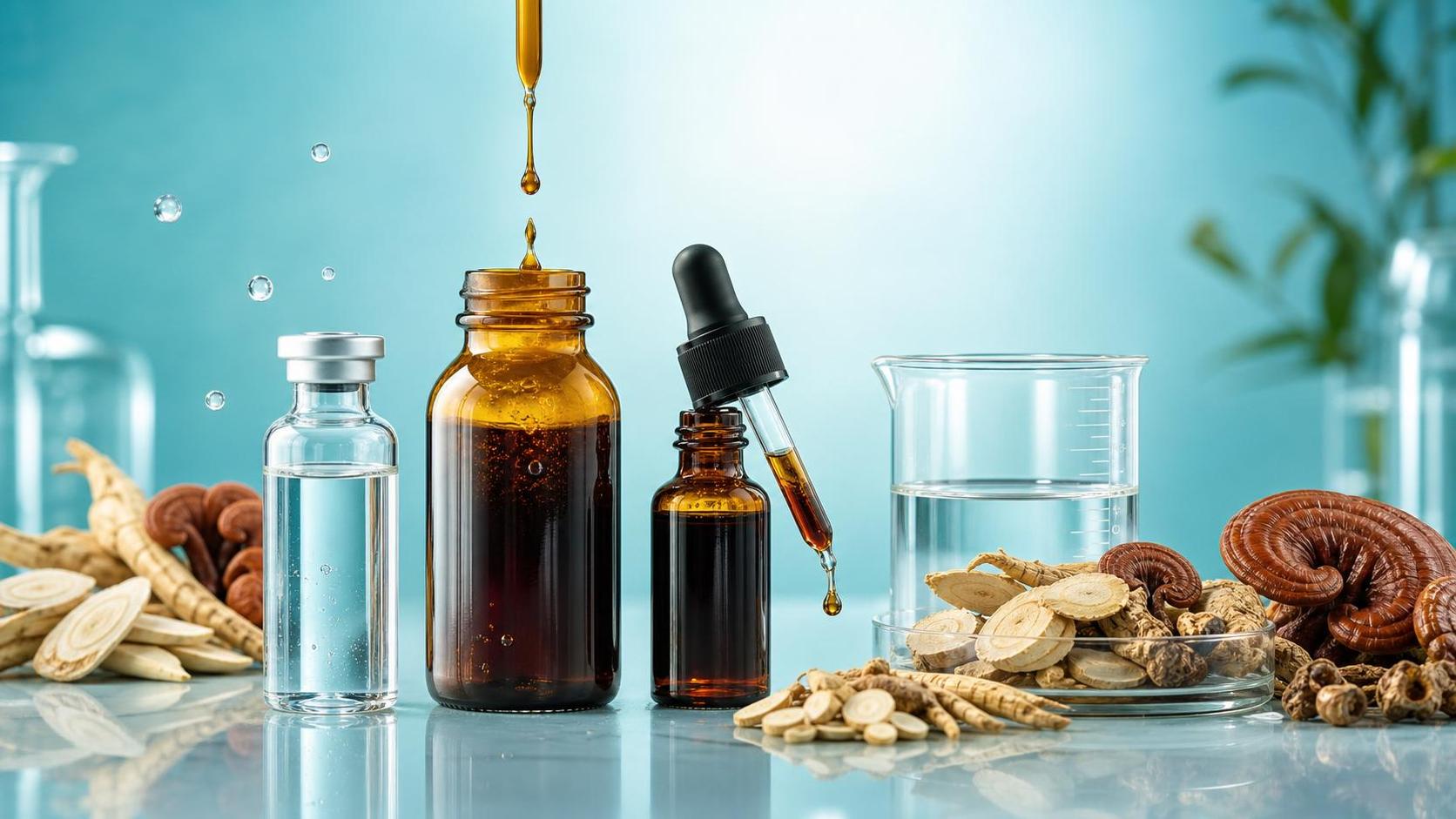
Herbal oral liquid is becoming more visible across pharmaceutical and wellness shelves, yet the term is still often mixed up with syrups and tinctures. That confusion matters because these forms differ in extraction style, excipients, taste profile, dosage logic, and labeling expectations. A clear comparison helps separate product format from marketing language and supports better research before evaluating any formula.
What herbal oral liquid usually means
A herbal oral liquid is a liquid preparation designed for oral use, with herbal ingredients extracted, dissolved, suspended, or blended into a ready-to-take form.
In practice, the category sits between traditional herbal preparations and modern liquid dosage systems. It can be used in medicinal products, dietary supplements, or functional wellness formulations.
The key point is that herbal oral liquid describes a dosage form, not one fixed recipe. Its composition depends on the plant material, target compounds, preservation system, and intended regulatory pathway.
Some products are concentrated and taken in small volumes. Others are diluted for easier daily use. Some are sugar-free. Others include sweeteners, stabilizers, or flavor systems to improve compliance.
Why this format is getting attention
The rise of herbal oral liquid reflects a broader shift toward convenient formats that are easier to swallow than tablets and faster to use than powders.
It also fits current product development trends. Brands want dosage forms that feel accessible, support ingredient storytelling, and allow flexible formulation around botanical extracts.
From an industry view, liquids can help position herbs in a more standardized presentation. That matters when buyers compare concentration, serving size, and formula clarity across products.
The growing interest is not only about convenience. It is also about how extraction, delivery, and sensory experience shape trust in a botanical product.
Where it differs from syrups
Syrups are usually defined by a high sugar content or a syrup-like base. Historically, that base improves taste, viscosity, and stability.
A herbal oral liquid may look similar in a bottle, but it does not have to rely on a sugar-rich vehicle. It can be water-based, low-sugar, sugar-free, or supported by alternative excipients.
That difference is important in product research. If a formula is described as herbal oral liquid, the sweetness and texture should not be assumed.
Syrups are often chosen when palatability is central, especially for users sensitive to bitterness. Herbal oral liquid is a broader category and may prioritize extract load, dosing precision, or cleaner positioning.
Common distinctions from syrups
How it differs from tinctures
Tinctures are more specifically associated with alcohol-based extraction. The alcohol is not only a solvent. It also contributes to preservation and influences which constituents are pulled from the herb.
A herbal oral liquid may contain no alcohol at all. It can be made from decoctions, water extracts, concentrated botanical solutions, or blends of standardized extracts.
This makes tinctures and herbal oral liquid different at the formulation level, even when they come from the same plant source. Solvent choice changes the chemical profile and the user experience.
Tinctures also tend to be used in drops or small measured volumes. Herbal oral liquid may be supplied in vials, ampoules, bottles, or sachet-like units with larger serving sizes.
Why extraction method matters
Different plant compounds dissolve better in different solvents. Water extraction favors one range of constituents, while hydroalcoholic extraction may favor another.
That means product form is not just a packaging choice. It can affect composition, sensory profile, storage requirements, and the rationale for how the product is positioned.
The practical questions worth checking
When comparing a herbal oral liquid with syrups and tinctures, ingredient lists are more useful than front-label claims. The label usually reveals the real structure of the product.
- Is the main extraction water-based, alcohol-based, or mixed?
- Does the formula contain sugar, glucose syrup, glycerin, or artificial sweeteners?
- Are the herbs listed as raw herb equivalents, extract ratios, or standardized actives?
- What is the actual serving size and how often is it intended to be taken?
- Does the product need refrigeration, special storage, or protection from light?
- Is the product sold as a medicine, supplement, or wellness beverage format?
These points help clarify whether the value lies in extract concentration, convenience, traditional use alignment, or consumer-friendly taste.
Typical use directions in the market
Herbal oral liquid appears in several commercial contexts. Each one has slightly different expectations for formulation and evaluation.
A product such as Ganoderma Lucidum & Astragalus Oral Liquid illustrates how the format can combine recognizable herbs with a ready-to-use delivery system, without defaulting to syrup or tincture conventions.
Where misunderstandings usually happen
One common mistake is assuming all liquid herb products work the same way. In reality, the phrase herbal oral liquid does not tell you the solvent history, sweetness level, or active compound standardization by itself.
Another mistake is treating thicker texture as proof of strength. Viscosity often reflects excipients or sweetening systems more than botanical potency.
Alcohol content also creates confusion. Some people assume any concentrated herbal liquid is a tincture. That is inaccurate if the extraction and final formula are non-alcoholic.
Label language can add to the problem. Terms like extract, essence, tonic, elixir, liquid supplement, and oral solution may overlap in marketing, even when the underlying dosage form differs.
How to assess a product more carefully
A good review process starts with the formula architecture. Look beyond the front panel and identify what the liquid actually contains and how it was built.
Useful checkpoints
- Check whether the herbal oral liquid lists extract ratios or quantitative ingredient amounts.
- Review whether preservation comes from sugar, alcohol, heat treatment, or approved preservatives.
- Compare dose volume with ingredient concentration instead of assuming more liquid means more actives.
- Note whether the product is intended for short-term use or routine daily intake.
- Confirm whether the herbs used have recognized quality controls, species names, or sourcing details.
This approach gives a better basis for comparison than relying on taste, bottle size, or broad claims about natural support.
What matters next in product research
The most useful question is not whether a syrup, tincture, or herbal oral liquid is universally better. The better question is which format matches the intended use, ingredient profile, and formulation logic.
For some comparisons, syrup-style palatability may be the priority. In others, alcohol-free formulation or a specific extract system will matter more. Those are different decision paths.
When reviewing options, build a simple checklist around solvent type, sugar level, extract disclosure, serving size, packaging format, and category positioning. That makes herbal oral liquid much easier to judge on substance rather than label familiarity.
A closer look at products in this format, including examples like Ganoderma Lucidum & Astragalus Oral Liquid, can help sharpen those criteria and turn broad interest into more informed evaluation.