
SEARCH
MESSAGE

Liquid vs Capsule Blood Tonic: Which Format Fits Daily Use Better?
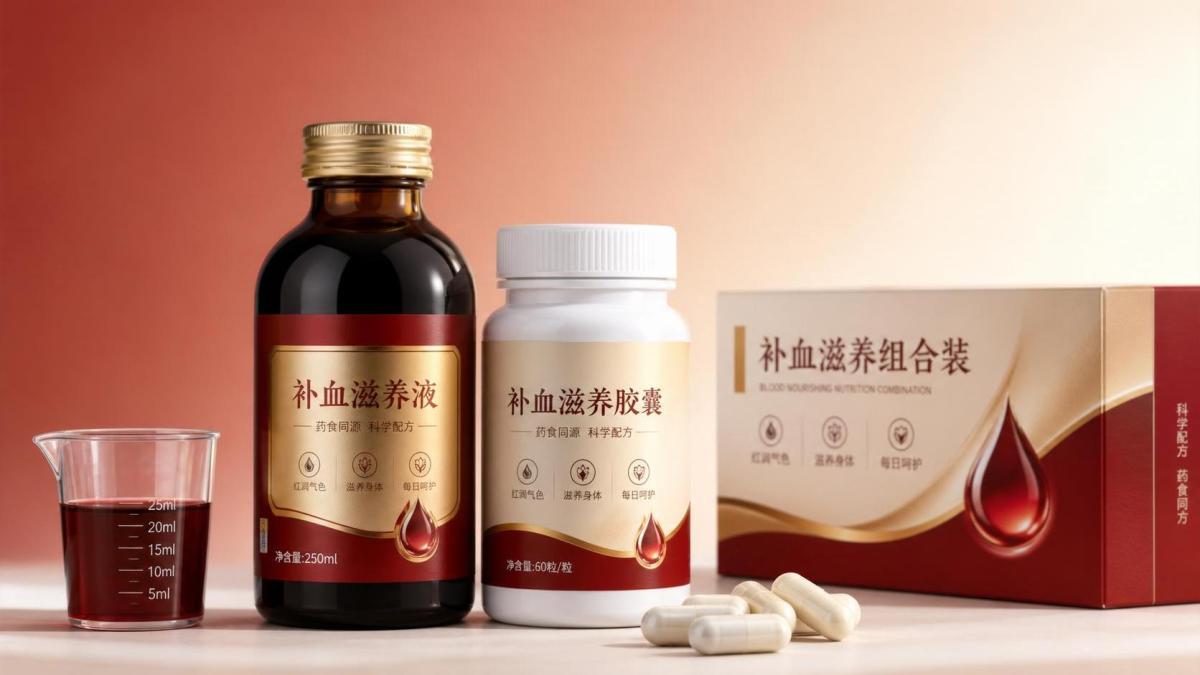
Choosing the right blood tonic can make daily wellness routines easier and more effective.
But when comparing liquid and capsule formats, which one truly fits your lifestyle, absorption needs, and convenience preferences?
This guide breaks down the real differences so you can make a smarter decision for everyday use.
A blood tonic is often chosen to support energy, recovery, circulation, or overall daily wellness.
Yet the format matters almost as much as the formula itself.
A well-matched blood tonic is easier to remember, tolerate, and stick with over time.
Why Format Matters in a Daily Blood Tonic
Many people focus only on ingredients, but form affects real-life use.
A blood tonic that looks great on paper may still fail if it feels inconvenient.
Liquids and capsules each solve different problems.
Liquids often appeal to people who want flexible dosing or easier swallowing.
Capsules usually attract those who value speed, portability, and less taste.
That also means the better blood tonic is not always the stronger one.
Often, the better option is the one you will actually take consistently.
Liquid Blood Tonic: Main Strengths and Limits
Liquid blood tonic products are widely used in traditional and modern wellness routines.
One reason is ease of intake for people who dislike swallowing pills.
Another is dosing flexibility, since liquids can often be adjusted more easily.
Where liquid blood tonic works well
- People who struggle with tablets or capsules.
- Users who want to fine-tune serving size.
- Those who prefer warm, nourishing daily rituals.
- Anyone seeking a blood tonic with a more traditional feel.
Some users also feel liquid blood tonic blends more naturally into breakfast or evening routines.
That can improve long-term compliance, which is often overlooked.
Common drawbacks of liquid blood tonic
- Taste may be strong, herbal, sweet, or metallic.
- Bottles can be heavier to carry every day.
- Measuring servings may feel less convenient.
- Some formulas need refrigeration after opening.
So while liquid blood tonic options can feel nourishing, they are not always ideal for busy schedules.
Capsule Blood Tonic: Why Many People Choose It
Capsule blood tonic products are built for convenience.
They are easy to pack, easy to count, and usually easy to fit into workdays.
If routine matters most, capsules often win on practicality.
Benefits of a capsule blood tonic
- No flavor issues for sensitive users.
- Simple serving size with less guesswork.
- Portable for commuting or travel.
- Often cleaner and faster to use daily.
This format is especially useful when a blood tonic needs to fit around meetings, school runs, or gym sessions.
Possible downsides of capsules
- Not suitable for people with swallowing difficulty.
- Less flexible if you want smaller adjustments.
- Some people prefer a more food-like blood tonic format.
In short, capsule blood tonic choices usually favor efficiency over ritual.
Absorption, Digestion, and Comfort
Absorption is one of the biggest questions in any blood tonic comparison.
Many assume liquid always absorbs better, but the full answer is more nuanced.
Bioavailability depends on ingredients, digestive health, timing, and overall formula design.
Still, liquids may feel gentler for some people, especially when taken with food.
Capsules can work very well too, particularly when the ingredients are standardized and easy to digest.
If a blood tonic causes stomach discomfort, the issue may be the formula, not the format.
That is why label review matters.
- Check serving instructions.
- Look for sweeteners, binders, or concentrated herbs.
- Notice whether the blood tonic is intended for morning or evening use.
- Track how your body responds during the first two weeks.
Convenience for Workdays, Travel, and Home Use
This is where format differences become very obvious.
A blood tonic may be effective, but daily friction usually lowers consistency.
If you leave home early, capsules are often easier.
If you enjoy a calm morning or evening routine, liquids may feel more satisfying.
From a lifestyle angle, the best blood tonic is often the one that creates the fewest obstacles.
How to Match a Blood Tonic to Your Routine
A useful decision starts with habits, not marketing claims.
Ask a few simple questions before buying a blood tonic.
- Do you dislike swallowing pills?
- Will you take it mostly at home or on the move?
- Do you prefer a quick habit or a comforting ritual?
- Are you sensitive to strong flavors or textures?
- Do you need a blood tonic that fits meals or travel bags?
If your answers lean toward flexibility and warmth, liquid may suit you better.
If your answers lean toward speed and simplicity, capsules may be the stronger fit.
Some people also rotate formats based on schedule.
That approach can make a blood tonic plan easier to sustain through busy weeks.
A Practical Look at Alternative Daily Formats
Not every blood tonic comes as a standard bottle or capsule.
Some people prefer drink-style products that feel closer to food than supplements.
One example is Ejiao Black Sugar Ginger Tea, which may appeal to users who want a warming daily ritual.
This kind of option can sit between a classic blood tonic and a functional wellness drink.
It may be especially attractive during colder months or slower evening routines.
The key is the same: choose a format you will use regularly and comfortably.
Red Flags to Watch Before You Buy
A blood tonic should match your routine, but quality checks still matter.
Do not decide by format alone.
- Unclear ingredient amounts.
- Overly broad health claims.
- Hidden sugars or unnecessary fillers.
- No usage guidance or storage details.
- Poor reviews mentioning stomach upset or inconsistent quality.
These signals matter whether you choose a liquid blood tonic or a capsule blood tonic.
If you manage a health condition or take medication, check with a qualified professional first.
So, Which Blood Tonic Format Fits Daily Use Better?
For pure convenience, capsule blood tonic products usually come out ahead.
They are simpler to carry, quicker to take, and easier to keep consistent.
For comfort, ritual, and adjustable serving, liquid blood tonic options often feel more personal.
So the better blood tonic depends on how your day actually works.
Choose liquid if you value warmth, ease of swallowing, and a more traditional wellness habit.
Choose capsules if you want speed, portability, and a low-maintenance routine.
A smart blood tonic decision is the one that fits your body, your schedule, and your consistency goals.
Start with the format you are most likely to use every day, then judge results with patience and attention.