
SEARCH
MESSAGE
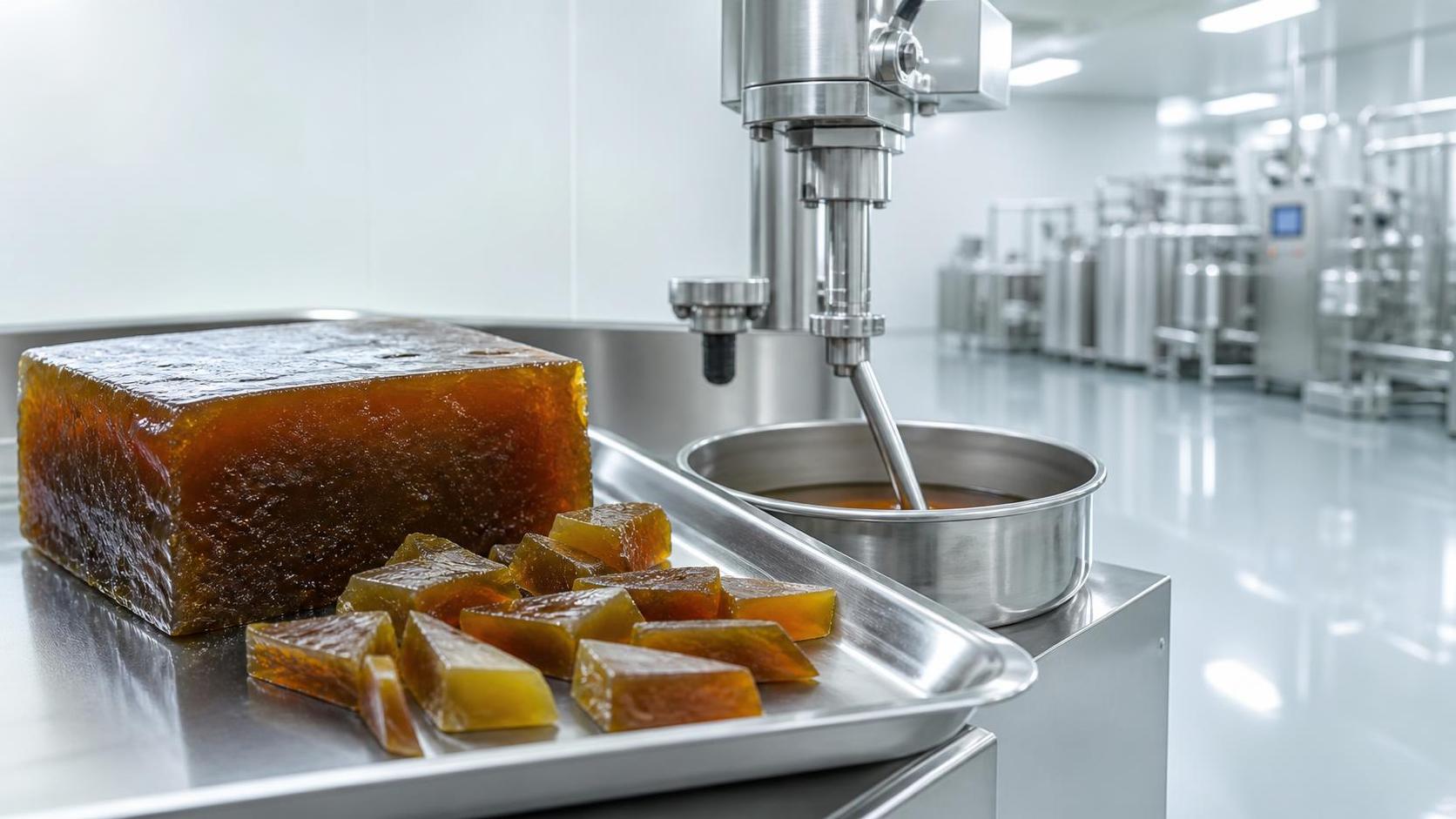
When the block arrives, the real challenge usually starts on the line
In herbal supplement manufacturing, the difficult part is not only sourcing an ingredient like ejiao block. The harder part is fitting it into an existing workflow without slowing the batch, creating uneven texture, or forcing operators to improvise on the floor. That is where small handling mistakes turn into larger problems: inconsistent weighing, poor dissolution, clumping, or a mismatch between the ingredient’s physical form and the equipment being used.
If you are working with ejiao block in a production setting, the most common frustration is not whether it can be used, but how to use it in a way that stays repeatable. A block form needs preparation before it can blend smoothly with herbal materials, and that preparation affects everything downstream, from mixing time to batch appearance.
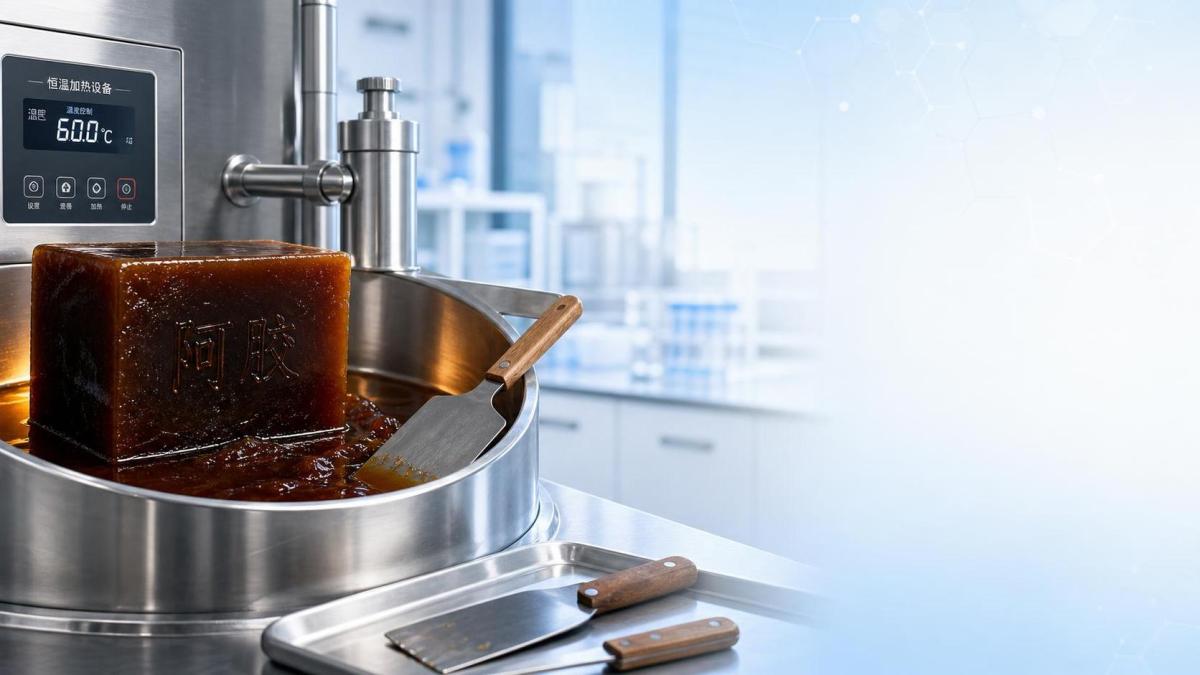
Start with the product form, not the recipe
A lot of process trouble begins when a team treats ejiao block like a standard powder or extract. It is not. The block form usually requires a controlled pre-processing step before it enters the main workflow. If this is skipped, operators often compensate by extending mixing time or increasing heat, which may solve one issue while creating another.
The first question is simple: what form does the downstream process actually need? Some lines handle a softened or dissolved intermediate more easily, while others rely on a cut, broken, or measured portion that can be fed into a kettle or blending stage. Choosing the wrong preparation method can lead to wasted material and extra cleaning.
What to confirm before the batch starts
Before opening the material, production teams usually benefit from confirming a few practical points:
- Whether the block needs slicing, crushing, soaking, or controlled heating before use
- What vessel or tool will be used for pre-processing
- How the ingredient will be measured to keep each batch consistent
- Whether the next processing step can handle the resulting texture or viscosity
These details sound basic, but they prevent the kind of confusion that tends to show up only after the line is already running.
Where operators run into trouble
Common issues usually appear in three places. First is handling: the block may be too firm, sticky, or uneven to portion cleanly. Second is temperature control: if heating is too aggressive, the material may behave unpredictably during blending. Third is transfer: once the block is softened, it can cling to tools, containers, and piping, which creates losses and makes cleaning harder.
Another frequent problem is inconsistency between shifts. One operator may judge readiness by appearance, another by feel, and a third by time alone. That kind of variation can create batch-to-batch differences even when the recipe looks unchanged on paper.
A workflow that usually holds up better on the floor
The safest approach is to treat ejiao block as a material that needs a defined preparation stage, not as something to “work around” on the spot. In many herbal supplement environments, a stable workflow looks like this:
- Inspect the block for shape, surface condition, and any obvious handling issues.
- Record the intended amount before preparation begins.
- Use the approved method to soften or reduce the block into a usable form.
- Mix only after the material reaches the expected texture or fluidity.
- Scrape and transfer carefully to reduce residue loss.
- Verify that the blend looks uniform before moving to the next step.
That sequence may seem slow at first, but it usually saves time later because it reduces rework. Operators spend less time correcting clumps or reprocessing a batch that never reached a workable state.
Heat, time, and agitation need to be balanced
With an ingredient like ejiao block, more intensity is not always better. Extra heat can make the material easier to move at first, but it may also change the way it disperses in the larger herbal mix. The same is true for agitation. If mixing is too aggressive, the batch can pick up air, stick to the vessel wall, or become difficult to judge visually.
A better habit is to define the minimum process conditions needed to achieve a uniform intermediate. That means operators should know what “ready” looks like before the ingredient enters the main blend. If the team relies only on experience, readiness can be interpreted differently from one person to the next.
Using tools without overcomplicating the line
Small tools often make the biggest difference: a dedicated cutter, a labeled pre-processing container, a heat-controlled vessel, or a scraper designed for sticky materials. None of these tools replaces good procedure, but they reduce variation. For teams that already run multiple herbal inputs, it also helps to keep ejiao block handling separate from powder handling so cross-contamination of workflow steps is easier to avoid.
Documentation matters here too. Not in a heavy, paperwork-for-its-own-sake way, but in a practical way: the team should know which preparation method was used, how long it took, and what condition the material reached before mixing. When issues come up later, that record is usually more useful than memory.
How to tell whether the process is behaving normally
Once ejiao block has been introduced into the herbal supplement workflow, the easiest checks are visual and procedural. The blend should not show obvious streaks, hard fragments, or sticky pockets that behave differently from the rest of the batch. Transfer should feel controlled, not forced. Cleaning should be manageable without excessive residue buildup.
If something looks off, it is usually better to pause and identify the step that changed rather than pushing forward. Was the block insufficiently prepared? Was the temperature lower than usual? Did the operator change the order of addition? These are small questions, but they often point to the real cause faster than trying to fix the finished blend.
When a clearer standard becomes necessary
If your team keeps facing the same handling problem, the issue may not be the ingredient itself. It may be the lack of a clear standard for preparation and incorporation. That is when it helps to write down the preferred method for your line: how the ejiao block is received, how it is prepared, what equipment is used, and what condition is acceptable before it joins the herbal mix.
For operators, that standard reduces guesswork. For production leads, it makes shift handoff easier. And for facilities that work with multiple supplement formats, it keeps the block form from becoming a recurring bottleneck.
The main goal is not to force ejiao block into a generic process. It is to fit the material into a controlled workflow that respects its handling characteristics while keeping the line steady. Once that balance is in place, the ingredient becomes much easier to use consistently.