
SEARCH
MESSAGE
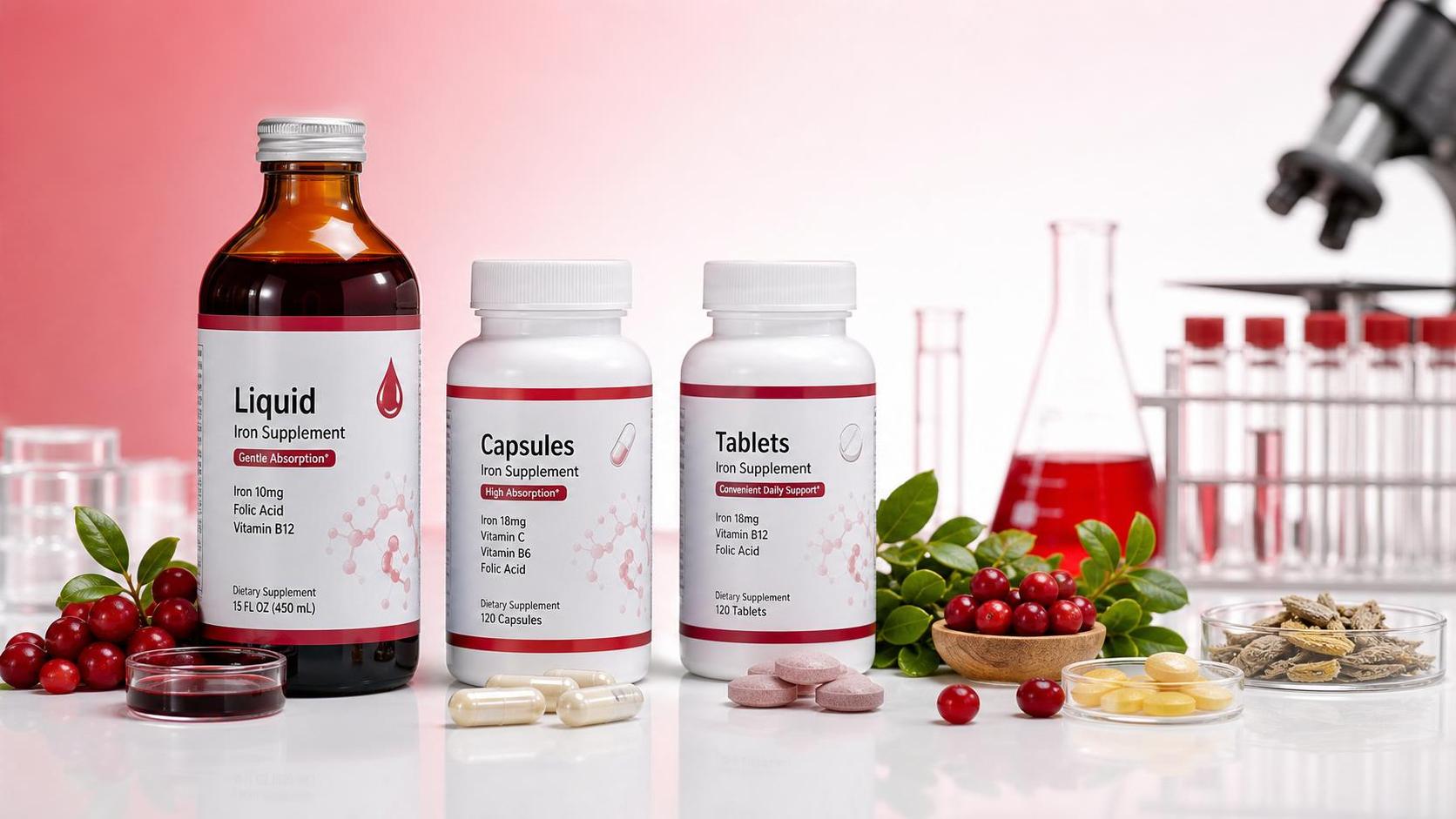
How to Compare Blood Tonic Supplements by Formula, Dosage Form, and Daily Use
Choosing the right blood tonic supplement can feel overwhelming at first. Labels look similar, yet formulas, dosage forms, and daily use patterns can differ a lot.
A smart comparison starts with three questions. What is inside it, how is it taken, and how easy is it to use consistently?
That matters because a blood tonic supplement is rarely judged by one ingredient alone. Real value often comes from the full formula and daily fit.
This guide breaks down practical comparison points, so a blood tonic supplement can be evaluated with more confidence and less guesswork.
Start with the Formula, Not the Front Label
The first step is reading the formula panel carefully. Front-label claims can be broad, but the ingredient list shows what the product is really trying to do.
Many blood tonic supplement formulas focus on iron, B vitamins, folate, vitamin C, or botanical blends. Each option suggests a different product strategy.
Iron-centered products are often compared for elemental iron amount and form. Ferrous bisglycinate, ferrous sulfate, and other forms may feel different in daily use.
B12, folate, and B6 are also common. These nutrients are often included to support red blood cell formation and broader energy-related nutrition goals.
Vitamin C often appears because it can support iron absorption. When comparing a blood tonic supplement, this pairing is worth noticing.
Some formulas also include herbs, berries, or traditional plant ingredients. These blends may be positioned for general vitality, circulation support, or daily nourishment.
At this stage, avoid assuming that more ingredients always means better. A cleaner formula can be easier to understand and compare.
What to check on the ingredient panel
- Active nutrients and their exact amounts per serving
- The form of iron, if iron is included
- Supportive nutrients such as folate, B12, and vitamin C
- Botanical ingredients and whether their purpose is clear
- Added sweeteners, flavors, allergens, or unnecessary fillers
Compare Ingredient Logic, Not Just Ingredient Count
A better way to compare a blood tonic supplement is to ask whether the formula makes sense as a whole. Ingredients should work together, not just fill space.
For example, a formula built around iron may benefit from absorption support. A botanical-focused formula may aim for a gentler, everyday wellness position.
This is where product type matters. Some options are more clinical and nutrient-specific. Others are broader and designed for daily nourishment habits.
From a comparison angle, ask what role each ingredient plays. If that role is unclear, the formula may be harder to evaluate with confidence.
In practical shopping, this simple question saves time: is this blood tonic supplement targeted, balanced, or mostly marketing-driven?
Useful formula comparison questions
- Is the formula focused on iron support, broad nutrition, or herbal nourishment?
- Do the nutrient amounts look meaningful rather than decorative?
- Are there ingredients that may overlap with an existing routine?
- Does the formula seem gentle enough for regular use?
Choose the Dosage Form That Fits Real Life
A blood tonic supplement can come as tablets, capsules, softgels, powders, gummies, or oral liquids. The best form is often the one that fits daily behavior.
Tablets and capsules are common because they are easy to store and compare. They also make serving size and ingredient strength easier to standardize.
Powders may appeal to those who prefer mixing supplements into drinks. Still, taste, measuring accuracy, and portability can affect long-term use.
Gummies are approachable, yet they may contain sugar or offer lower nutrient levels. They are convenient, but comparison should go beyond convenience.
Oral liquids stand out for people who dislike swallowing pills. They can also feel easier to build into a daily wellness routine.
An example in this category is Bilberry & Wolfberry Oral Liquid, which reflects how liquid formats are often positioned around ease of use and everyday consistency.
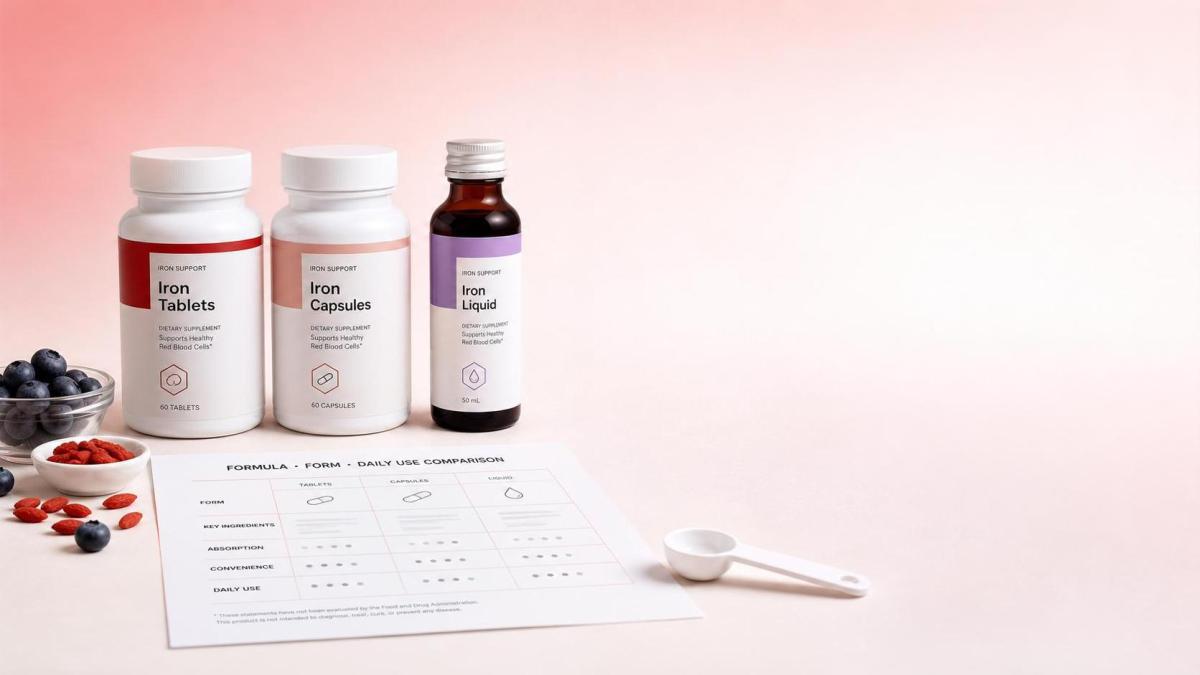
Quick dosage form comparison
Look Closely at Daily Use Requirements
Daily use is where many supplement choices succeed or fail. A strong label means little if the routine becomes annoying after one week.
Check how often the blood tonic supplement must be taken. Once-daily use is easier for many people than split servings across the day.
Also review whether it should be taken with food, away from coffee, or apart from calcium. These details can shape adherence more than expected.
Liquid and flavored products may seem easier at first. But shelf stability, refrigeration needs, and travel convenience still deserve a quick check.
When comparing any blood tonic supplement, routine friction is a major decision factor. Small annoyances often become skipped days.
Daily use checklist
- Serving frequency and timing
- Need for food or water
- Taste and swallow comfort
- Travel, storage, and mess level
- How well it fits an existing supplement plan
Watch for Tolerance, Interactions, and Label Transparency
Tolerance matters as much as formula strength. Some ingredients, especially iron, may cause digestive discomfort in certain people.
That does not automatically make one product bad. It simply means the best blood tonic supplement is often the one a person can actually keep using.
It is also wise to review possible medication interactions and special health considerations. This is especially important with concentrated minerals or multi-ingredient herbal blends.
Label transparency is another strong comparison point. Clear serving information, ingredient amounts, and usage instructions usually signal a more trustworthy product.
In the same way, a blood tonic supplement with vague proprietary language may require more caution before purchase.
Signs of a more decision-friendly label
- Exact amounts are listed for major actives
- Suggested use is specific and easy to follow
- Warnings are visible and not buried
- Ingredient purpose feels coherent
Use a Simple Comparison Framework Before Deciding
A useful decision process does not need to be complicated. Comparing three to five products side by side is usually enough.
Write down formula type, nutrient strength, dosage form, frequency, and any likely friction points. This quickly highlights which blood tonic supplement fits best.
If a liquid option is under review, products such as Bilberry & Wolfberry Oral Liquid can be useful reference points when comparing convenience and format preference.
Price per serving can also help, but it should come after formula quality and usability. The cheapest option may not be the most practical one.
When uncertain, it helps to prioritize routine fit over product hype. A blood tonic supplement only adds value when used consistently and appropriately.
The best next step is simple: shortlist a few options, compare the formula logic, test the daily-use fit, and choose the one that makes sense on both counts.