
SEARCH
MESSAGE
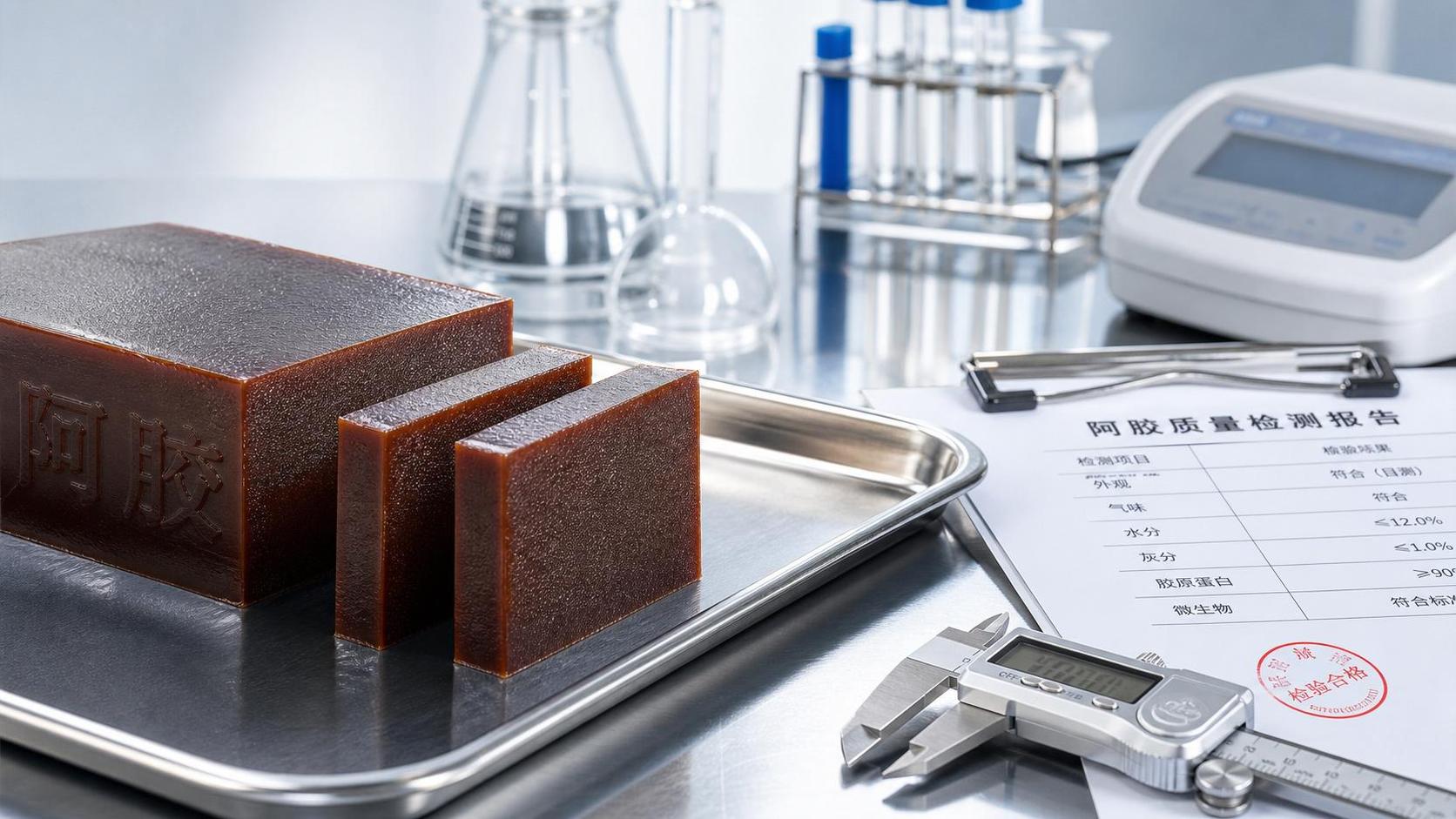
Dense Texture Ejiao Block: What Texture Tells You About Processing and Quality
A dense texture ejiao block is often more than a visual trait. It can reveal how the product was made and how stable it may remain over time.
In pharmaceutical and health supplement evaluation, texture is not a cosmetic detail. It works as a practical signal for process control, raw material quality, and batch consistency.
The key point is simple. A dense texture ejiao block often reflects concentration behavior, gelatin conversion, moisture balance, and cooling discipline.
That said, density alone is not enough. Surface finish, fracture pattern, internal structure, and handling response complete the quality picture.
This article explains how to read those signs in a technical way. It also shows where texture can mislead if it is judged without process context.
Why Dense Texture Matters in Ejiao Assessment
A dense texture ejiao block usually suggests a tighter internal matrix. In many cases, this comes from proper extraction, concentration, and controlled solidification.
When the matrix is compact, the block often shows better shape retention. It may also resist cracking, edge collapse, and abnormal stickiness during storage.
More importantly, density can reflect whether soluble solids were concentrated within an expected range. That makes it useful for comparing lot-to-lot manufacturing stability.
In actual review work, texture is often checked alongside odor, color, gloss, and fracture behavior. Together, these observations reduce overreliance on a single metric.
Core quality signals linked to density
- Higher concentration control during finishing
- More uniform water distribution in the final block
- Improved structural integrity after cooling
- Lower risk of visibly loose or porous sections
- Better alignment with repeatable process standards
What a Dense Texture Ejiao Block Can Reveal About Raw Materials
Raw material quality sets the base for any dense texture ejiao block. If the starting hide source varies too much, texture consistency usually becomes harder to maintain.
Uniform collagen content supports more predictable gelatin formation. Cleaner and more standardized raw material also reduces interference from impurities during extraction.
A weak or uneven texture may indicate raw material heterogeneity. It can also suggest inconsistent pretreatment, incomplete cleaning, or poor upstream sorting.
From a technical perspective, density should be read as a downstream result. It rarely appears by accident when upstream control is poor.
Raw material checkpoints worth tracking
- Source consistency and traceability records
- Pretreatment cleanliness and residue removal
- Hydration behavior before extraction
- Visible impurity control in intermediate material
- Collagen conversion stability across batches
This is also why some finished products show attractive color but weak body. Visual uniformity can hide deeper structural variation.
Processing Factors Behind a Dense Texture Ejiao Block
Process control is where texture becomes highly informative. A dense texture ejiao block often points to stable thermal history and well-managed concentration endpoints.
Extraction efficiency matters first. If protein release is incomplete, the final body may look full on the outside yet remain weak inside.
Concentration is the next major driver. Excess water leaves the matrix soft, while over-concentration may create brittleness or a glassy fracture.
Heating intensity also changes texture behavior. Harsh thermal exposure can damage functional structure and produce density that feels artificial rather than balanced.
Cooling and molding complete the process story. Poor cooling gradients can trap internal stress, causing cracks or uneven firmness later.
Main process variables to correlate with texture
- Extraction time and conversion efficiency
- Solid content at concentration endpoint
- Temperature curve and holding duration
- Defoaming and filtration effectiveness
- Cooling rate and mold release timing
A product such as Donkey-hide Gelatin Cake is often reviewed through this same lens. Texture becomes meaningful when linked to process evidence.
How to Evaluate Surface and Internal Structure
A dense texture ejiao block should not be judged only by touch. Visual and mechanical observations help confirm whether density is genuine and well distributed.
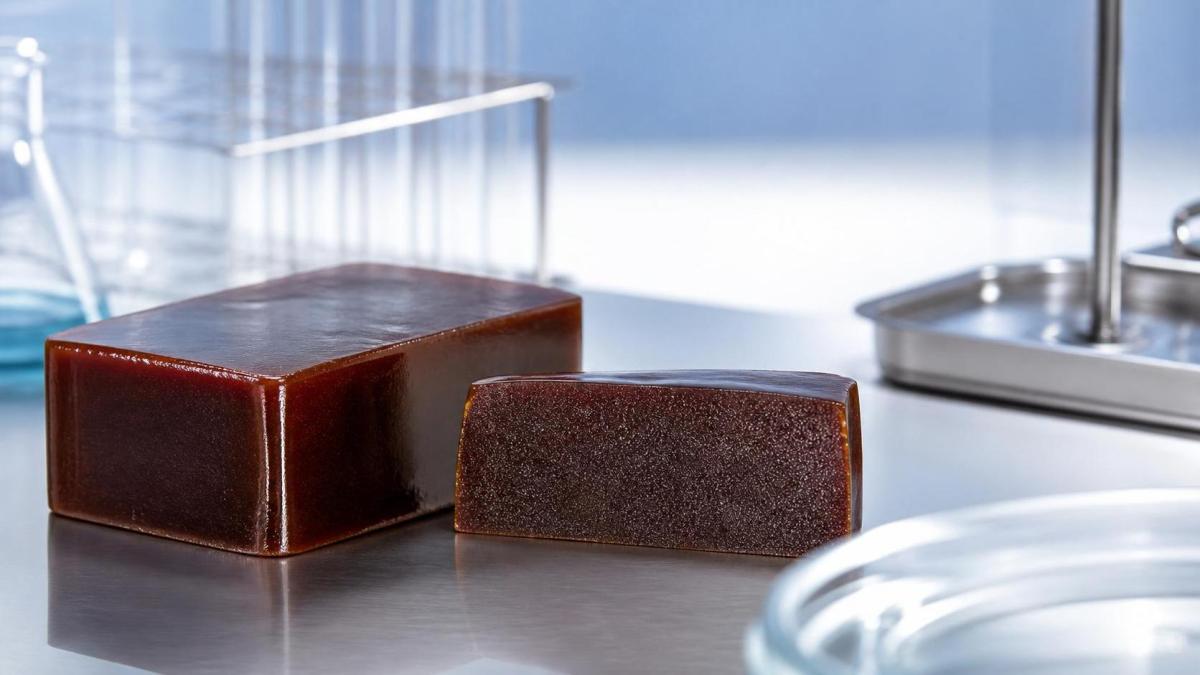
Start with the surface. A stable block usually shows a relatively even finish, controlled gloss, and limited bubble marks or collapsed corners.
Then examine the cut face or fracture face. Internal pores, layered zones, and moisture pockets can expose poor concentration or uneven cooling.
Texture under slight pressure is also useful. A balanced block should feel firm but not excessively hard or sticky.
If the block deforms too quickly, water balance may be off. If it snaps too sharply, the system may be over-dried or thermally stressed.
Practical inspection checklist
Common Misreadings of Dense Texture
Not every dense texture ejiao block represents high quality. Sometimes the appearance of density comes from over-processing rather than balanced manufacturing control.
For example, excessive concentration can create a hard block that looks premium at first glance. Yet its fracture behavior and handling response may reveal instability.
Surface polishing can also mislead. A smooth exterior may hide internal pores or variable firmness beneath the outer layer.
Another common mistake is judging density without considering storage exposure. Water migration during storage can change texture even when the initial process was acceptable.
That means evaluation should combine immediate appearance with handling tests, batch records, and stability observations.
Warning signs behind seemingly dense blocks
- Outer density with inner void formation
- Excessive hardness after over-concentration
- Surface smoothness masking thermal damage
- Density shifts caused by storage humidity
Using Texture to Support Standardized Quality Decisions
The best use of a dense texture ejiao block is not simple acceptance or rejection. Its real value lies in supporting a structured evaluation framework.
A useful method is to connect texture findings with process records, moisture targets, appearance specifications, and retention sample comparisons.
When the same dense texture ejiao block profile appears across compliant batches, confidence in manufacturing consistency increases. When texture drifts, deeper review becomes necessary.
This approach works especially well in supplier qualification, finished product release, and complaint investigation. Texture becomes a practical screening tool, not an isolated opinion.
In some cases, benchmark comparison with products like Donkey-hide Gelatin Cake can help frame expected texture ranges, provided the comparison criteria stay consistent.
Action steps for more accurate assessment
- Define texture descriptors before batch review starts
- Link each descriptor to process or quality data
- Check both surface and internal structure
- Compare against retained conforming samples
- Record drift patterns across storage conditions
In the end, a dense texture ejiao block is valuable because it speaks to process reality. Read carefully, it can help identify consistency, detect risk, and support better technical decisions.