News
SEARCH
MESSAGE
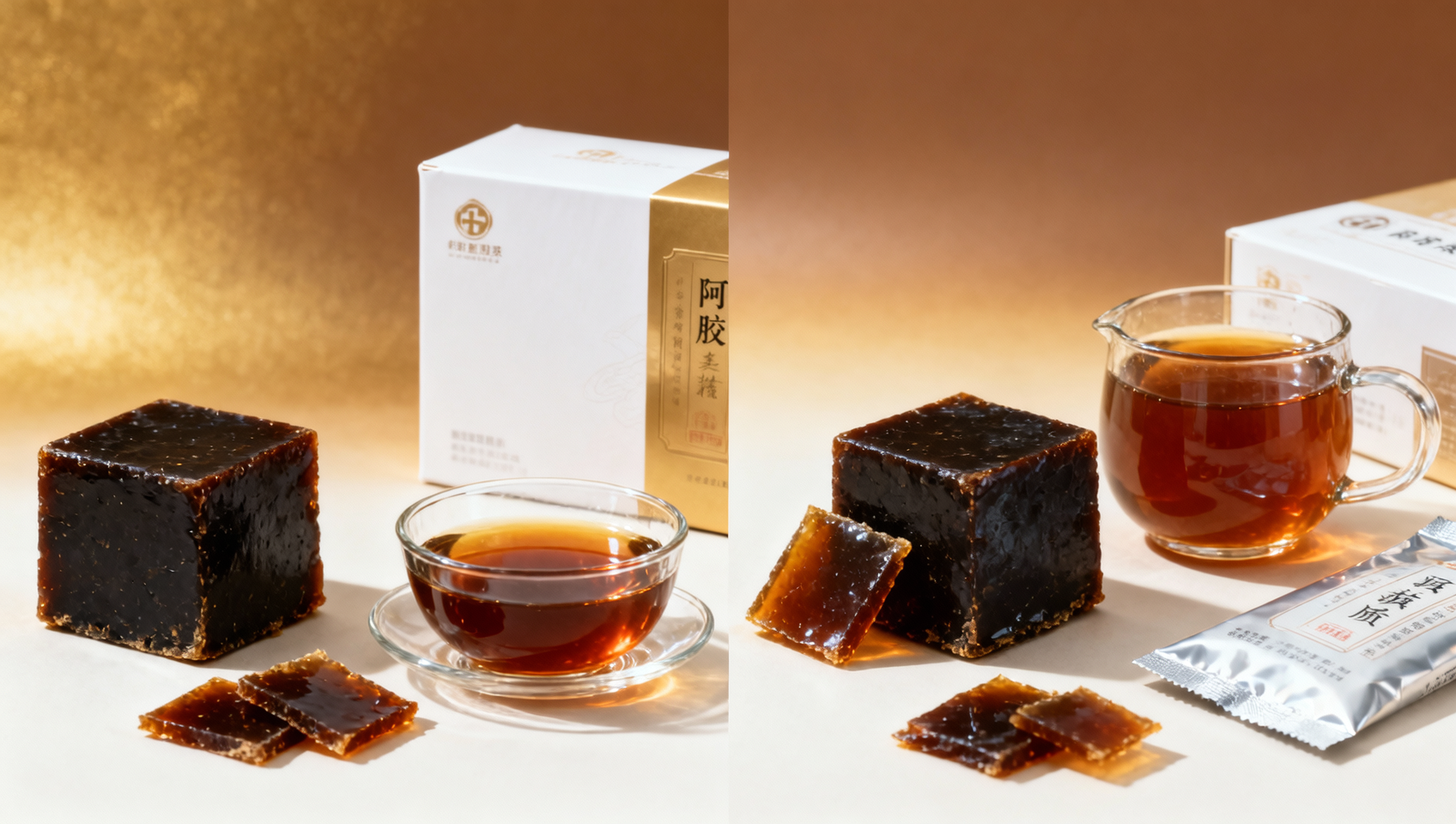
Feeling tired and looking for a traditional wellness option? Choosing the right ejiao block for energy boost can make a real difference in daily vitality and recovery. From ingredient quality to texture, origin, and preparation methods, understanding what sets a premium product apart helps you make a smarter purchase. This guide will show you how to select ejiao with confidence for better energy support.
For importers, wellness retailers, private-label buyers, and professional purchasers in the pharmaceutical and health supplement sector, ejiao selection is not only about tradition. It is also about raw material integrity, processing control, safety, consistency, and consumer trust. A visually attractive block is not enough if the source, production method, or impurity management is unclear.
In energy-support positioning, buyers usually evaluate ejiao as part of a broader wellness portfolio aimed at adults seeking recovery, nourishment, and daily stamina support. That means procurement decisions should balance traditional use, modern quality screening, dosage practicality, and marketable product attributes. The sections below break down how to judge ejiao blocks with more precision and lower sourcing risk.
Why Ejiao Quality Matters for Energy Support
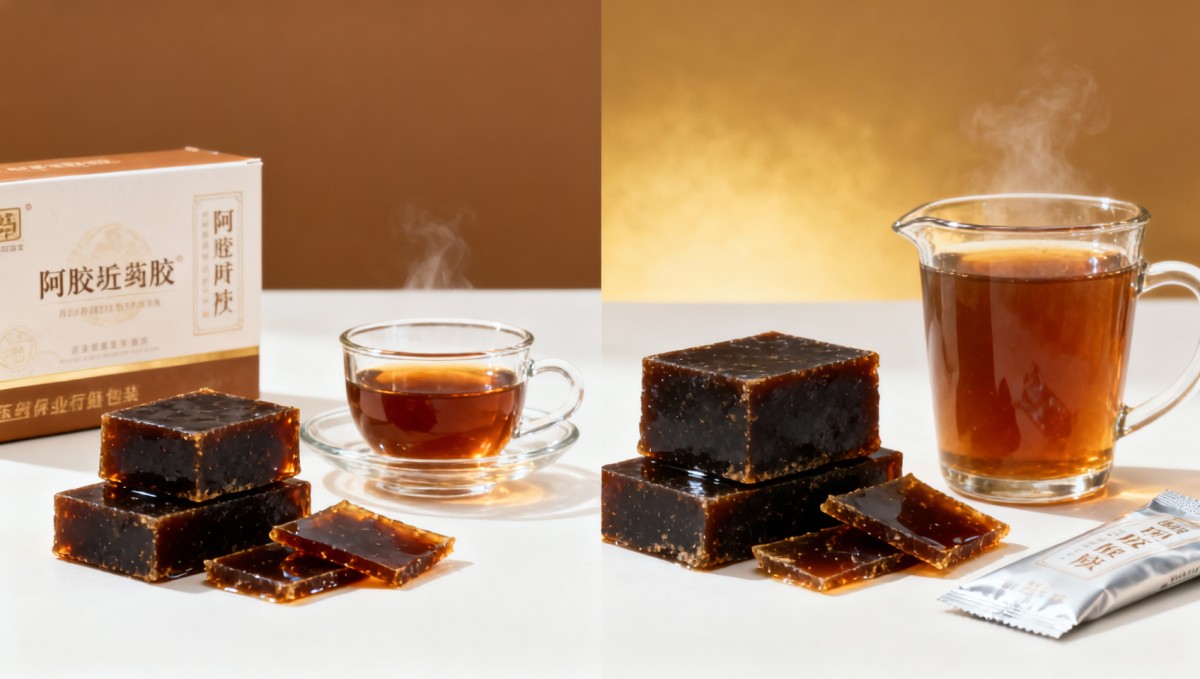
Ejiao is traditionally valued as a gelatin-based wellness ingredient made from donkey-hide collagen after repeated soaking, boiling, filtration, and concentration. In the energy-support segment, buyers often position it for consumers who feel run down, want nutritional replenishment, or prefer traditional tonic formats. However, energy claims in market practice should stay careful and product-compliant, focusing on nourishment, recovery support, and daily vitality rather than overstated medical promises.
Not all ejiao blocks deliver the same user experience. Differences in raw material source, concentration ratio, boiling time, filtration quality, and drying control can affect taste, dissolution, texture, aroma, and cleanliness. In commercial terms, these factors influence return rates, repeat purchase potential, and whether the product can be confidently used in direct retail, gifting, or practitioner-recommended wellness channels.
For energy-oriented buyers, 4 practical concerns usually come first: ingredient purity, sensory consistency, preparation convenience, and traceable origin. If one of these is weak, the product may fail either quality review or consumer acceptance. A block that looks dark and glossy may still be too sticky, too brittle, overly sweetened, or poorly soluble when heated in water at 70–90°C.
Another important issue is formulation clarity. Some ejiao products are sold as pure blocks, while others are blended with rock sugar, rice wine, herbs, or flavoring ingredients. These blended formats can appeal to some markets, but they change the positioning, label review process, and dosage guidance. For B2B buyers, clear specification sheets and stable batch records are essential, especially when evaluating suppliers across 2–3 production cycles.
How energy-focused buyers usually define a good ejiao block
A good ejiao block does not need exaggerated marketing. It should show balanced physical and sourcing characteristics that support consistent use in wellness applications. The checklist below is useful for first-pass supplier screening.
- Clear raw material declaration, including whether the block is pure ejiao or a blended preparation.
- Stable texture with moderate hardness, allowing clean cutting or portioning without heavy crumbling.
- Reasonable dissolution behavior in hot liquid, often within 10–20 minutes depending on thickness and additives.
- Low off-odor profile, without burnt, sour, or excessively animal notes that may indicate poor processing.
- Documented batch information covering origin, production date, storage condition, and shelf-life range such as 24–36 months.
In professional sourcing, quality matters because ejiao is a trust-based category. Buyers who choose products only by price often face hidden costs later, including complaint handling, reformulation delays, rejected samples, or regulatory relabeling. A slightly higher unit cost can be justified when sensory stability and documentation reduce downstream risk.
Key Indicators to Check Before You Buy
When selecting ejiao block for energy support, buyers should examine more than appearance. The most useful review method is to divide evaluation into 5 dimensions: source, ingredient composition, physical traits, preparation performance, and documentation. This helps compare suppliers using measurable points instead of relying on tradition alone.
Origin is one of the first questions. A supplier should be able to explain where raw materials are sourced, how they are processed, and how each batch is controlled. Even when a buyer does not require farm-level disclosure, there should at least be traceability at lot level, manufacturing date, and storage guidance such as keeping the product in a cool, dry environment below 25°C.
Physical inspection is also important. Premium ejiao blocks typically present a uniform surface, a dense cross-section, and a color range from deep brown to near black, depending on formula and finish. Extremely dull surfaces, visible sediment, uneven translucency, or excessive air pockets may suggest lower process control. Texture should feel firm yet not stone-hard, and it should not release oil or moisture during room-temperature handling.
Preparation performance matters because end users often consume ejiao in portions of 3–9 grams, mixed with warm water, milk, soup, or tonic recipes. If the block fails to soften or dissolve in a practical time window, user satisfaction decreases. In many retail channels, convenience now matters almost as much as heritage.
Core quality checkpoints
The following comparison table can help procurement teams evaluate samples during the first screening round. It combines traditional sensory judgment with practical purchasing criteria.
This table shows that quality screening should move beyond visual appeal. If two suppliers offer similar pricing but one provides stronger traceability and more consistent dissolution, that supplier often delivers better long-term value. In the health supplement industry, fewer post-sale quality issues can save more than a small upfront price difference.
Questions to ask a supplier
Documentation and manufacturing
- Can the supplier provide a specification sheet covering moisture condition, storage recommendation, and shelf life?
- Is the ejiao block pure, or does it include sweeteners, wine, herbs, or other added ingredients?
- What is the standard batch size and how many days does routine production take, such as 15–30 days?
- How are filtration and concentration controlled to reduce sediment and odor variation?
Commercial fit
- What is the minimum order quantity for bulk blocks, gift packs, or private-label formats?
- Can the supplier support 2 package sizes, such as 125 g and 250 g, for different market tiers?
- How are samples prepared, and is there a retained sample policy for future comparison?
Comparing Pure Ejiao Blocks and Blended Energy Formulas
A common sourcing decision is whether to buy traditional pure ejiao block or a blended wellness formula designed for easier daily use. Neither option is automatically better. The right choice depends on your channel, target consumer, price position, and compliance strategy. Pure blocks tend to suit traditional wellness buyers, while blended formulas often appeal to convenience-driven users.
Pure ejiao usually offers the strongest heritage positioning. It allows practitioners, traditional supplement retailers, and educated consumers to control serving style and combine it with other foods or herbs as needed. However, pure blocks may require more explanation at the point of sale and can feel less accessible to first-time users. Preparation time may range from 10 to 25 minutes depending on thickness and recipe.
Blended formulas can improve taste and convenience, especially when sold as ready-to-cut slices, instant granules, or softened blocks with adjunct ingredients. Yet buyers must review labels carefully. Added sugar affects positioning for certain consumer groups, while herbal additions may trigger different market restrictions or require stronger technical support during product registration and sales training.
For energy-focused portfolios, channel alignment is essential. A clinic-adjacent retailer may prefer fewer additives and more traditional authenticity. An online DTC wellness brand may prioritize flavor, serving convenience, and repeat use frequency such as 3–5 servings per week. The format must match the buying journey.
Format comparison for buyers
The table below summarizes how common ejiao formats perform across practical decision factors for the pharmaceutical and health supplement trade.
For many buyers, the best commercial strategy is not choosing only one format. A two-tier portfolio often works well: one premium pure block for heritage-driven customers and one easier-to-use format for newer consumers. This approach can broaden shelf appeal without weakening brand credibility.
Selection by sales channel
- For pharmacy-adjacent retail, prioritize clean labeling, storage stability, and professional education materials.
- For online marketplaces, prioritize portion control, convenience messaging, and package durability during shipping.
- For gift or premium wellness channels, prioritize block appearance, packaging finish, and origin storytelling backed by documentation.
- For private-label projects, confirm whether formula changes will affect lead time, usually by 2–6 weeks depending on packaging and review scope.
Procurement, Storage, and Risk Control for B2B Buyers
Once product quality looks acceptable, commercial buyers should move to supplier qualification and operational risk control. This stage is especially important in the pharmaceutical and health supplement sector because documentation gaps can delay market entry, create warehouse losses, or complicate cross-border labeling. A sourcing decision should combine product review and process review, not just sample tasting.
Begin with a structured procurement flow. Many experienced buyers use a 5-step sequence: sample screening, document review, pilot order, stability observation, and annual supplier reassessment. Even for smaller orders, this structure helps reduce risk. If a supplier resists sample retention, lot coding, or basic specification disclosure, that is a warning sign.
Storage conditions also affect the final user experience. Ejiao blocks are generally sensitive to heat, humidity, and odor contamination. Warehouses should stay dry, clean, and protected from direct light. In many cases, a storage environment below 25°C with controlled humidity is a practical benchmark. Poor storage can lead to softening, stickiness, surface blooming, or odor pickup within a few weeks in hot climates.
Buyers should also watch packaging suitability. A block intended for 24–36 months of shelf life needs packaging that protects against moisture ingress and physical breakage. Retail packs, bulk blocks, and portioned formats require different material choices. Secondary packaging is not cosmetic only; it affects complaint rates, especially in export and e-commerce distribution.
B2B risk control checklist
The following table highlights common procurement risks and practical control actions that buyers can apply before scaling orders.
The key takeaway is that good ejiao sourcing requires both product knowledge and operating discipline. Buyers who standardize sample review, packaging checks, and storage planning are far more likely to maintain product integrity across 6-month or 12-month sales cycles.
Common purchasing mistakes
Mistake 1: Focusing only on low unit price
A low offer may hide weak packaging, unstable texture, or inconsistent supply. Total cost should include complaint handling, replacement stock, and delayed launches.
Mistake 2: Ignoring preparation behavior
If the block is difficult to portion or takes too long to dissolve, consumers may stop using it within 2–3 attempts. Sample evaluation should always include real preparation testing.
Mistake 3: Buying without usage education
Traditional wellness products often need serving instructions, storage advice, and audience guidance. Retail teams should be trained to explain who the product suits and how often it is commonly used.
FAQ: Practical Questions About Choosing Ejiao Block for Energy
Buyers and brand managers often ask similar questions before adding ejiao to an energy-support product line. The answers below focus on practical selection, positioning, and sourcing concerns rather than broad theory.
How do I know if an ejiao block is suitable for an energy-focused product range?
Start with target audience and usage format. If your customers value traditional nourishment and are comfortable with preparation steps, a pure ejiao block may fit well. If they need faster daily use, choose a more convenient format. In either case, verify at least 4 basics: traceable source, stable sensory quality, practical portioning, and clear storage instructions.
What serving size information should be available from the supplier?
Suppliers should be able to provide suggested portion guidance for the intended format, such as per-use slicing or measured servings. For traditional blocks, market practice often refers to small portions in the gram range rather than large single use. Buyers should request preparation instructions covering liquid temperature, dissolution time, and frequency guidance for label and sales support purposes.
How long is the typical lead time for ejiao orders?
Lead time depends on whether the product is standard stock, made-to-order, or private label. A routine production and packing cycle may fall in the 15–30 day range for standard formats, while customized packaging, bilingual labeling, or formula adjustment can add another 2–6 weeks. Buyers should confirm sampling timeline separately from mass production timeline.
What are the most common red flags during sample review?
Watch for strong sour odor, gritty sediment, excessive stickiness at room temperature, uneven color, unexplained sweetness, or packaging that does not protect corners and edges. Any supplier unwilling to explain ingredient composition or storage condition should be reviewed carefully before moving forward.
Is premium packaging important for ejiao blocks?
Yes, but only when it supports product protection and market fit. In gifting and premium wellness channels, packaging can lift perceived value. In pharmacy or clinical-adjacent channels, protective function and clear usage information may matter more than decorative appearance. The best choice usually balances 3 elements: barrier performance, transport stability, and channel-appropriate presentation.
Choosing the right ejiao block for energy support requires a practical mix of tradition, product science, and disciplined procurement. Buyers should assess source transparency, texture, dissolution behavior, formula type, packaging, and storage control before committing to scale. A well-selected product can strengthen consumer trust, improve repeat purchase, and support a more credible wellness portfolio.
If you are evaluating ejiao for retail, private label, or professional wellness distribution, now is the right time to compare specifications, request samples, and review channel fit in detail. Contact us to discuss product details, sourcing options, or a tailored ejiao selection plan for your health supplement business.