
SEARCH
MESSAGE
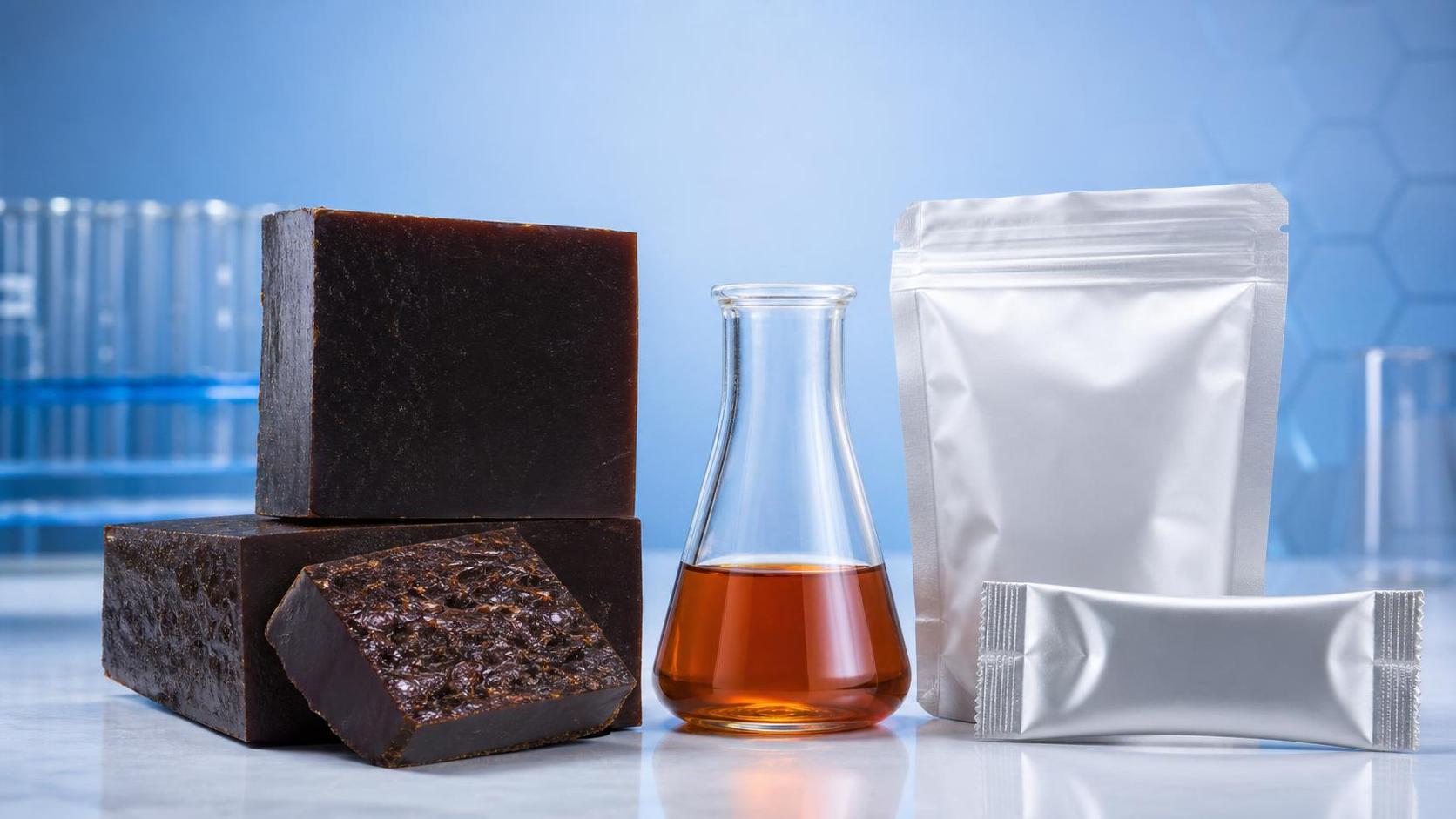
An ejiao block is often judged first by color and gloss, but a dependable quality review goes much deeper. In pharmaceutical and health product settings, texture, purity cues, processing uniformity, and storage behavior all shape whether an ejiao block can be considered stable, authentic, and fit for further use. A careful evaluation framework helps reduce misreading, especially when appearance seems acceptable while internal quality is less consistent.
Why ejiao block assessment matters now
Quality expectations for gelatin-based traditional health materials have become stricter. That shift is tied to traceability demands, tighter documentation, and growing sensitivity to raw material variation.

In practice, an ejiao block may look dense and refined, yet still present issues in brittleness, odor development, insoluble residues, or unstable storage performance. These issues matter because they affect handling, downstream formulation, and confidence in batch consistency.
This is especially relevant where inspection needs to separate traditional appearance standards from measurable quality indicators. A more disciplined review avoids overreliance on surface polish or brand presentation.
What defines a sound ejiao block
At a basic level, an ejiao block is a processed donkey-hide gelatin product expected to show a controlled structure, characteristic aroma, and a clean, homogeneous body. The assessment should combine sensory review with simple physical checks and storage logic.
A sound ejiao block is not only visually acceptable. It should also suggest good raw material control, balanced concentration, appropriate heating, and limited contamination from foreign matter or poor packaging conditions.
That is why experienced review usually asks one question first: does the block reflect stable processing, or does it only mimic the expected appearance?
Core physical signals
- Surface should be relatively smooth, with no obvious greasy seepage or sugar-like bloom.
- Color should appear reasonably uniform, not sharply layered or clouded by suspended particles.
- Fracture behavior should fit the product state, neither overly soft nor excessively crumbly.
- Odor should be characteristic and mild, without sour, burnt, moldy, or rancid notes.
How texture reveals processing quality
Texture is one of the most informative checkpoints in ejiao block review. It reflects moisture balance, concentration end point, cooling control, and even possible adulteration.
When handled under normal room conditions, a well-made ejiao block usually feels firm and compact. It should not deform too easily, yet it should not behave like a weak, chalky mass.
An overly sticky surface may suggest excess moisture, insufficient curing, or packaging exposure. On the other hand, extreme hardness can point to over-concentration, overheating, or long-term dehydration.
Texture checkpoints worth recording
Texture should be reviewed together with break pattern and dissolved appearance. Looking at one indicator alone can easily create false confidence.
Purity indicators beyond visual cleanliness
Purity in an ejiao block is not limited to a clean surface. It also involves whether the material appears compositionally consistent and free from abnormal residues, off-notes, or suspicious fillers.
A practical review often includes observing the cross-section, checking odor release after gentle warming, and assessing the liquid after dissolution or softening. Cloudiness, sediment, or unusual foam may signal a need for deeper testing.
Where samples are compared across batches, small visual differences are not always a problem. What matters more is whether those differences track known raw material variation or reveal uncontrolled process drift.
Common purity warning signs
- Sharp sourness or chemical-like odor after opening.
- Obvious sediment after dissolution under standard conditions.
- Layered color zones that suggest uneven concentration.
- Unexpected gloss that looks more like coating than natural finish.
In market reviews, reference products such as Donkey-hide Gelatin Cake may be useful as presentation benchmarks, but final judgment still depends on material behavior rather than packaging impression.
Consistency from batch to batch
A single acceptable sample does not prove a reliable ejiao block supply. Batch consistency is often more important than isolated visual quality because technical use depends on repeatable handling and predictable storage response.
Differences in shape edges, weight variation, fracture feel, and odor intensity can all reveal process instability. Even when specifications are met, broad inconsistency raises review costs and complicates acceptance decisions.
For that reason, comparative review should document both typical and marginal samples. A stable profile is easier to defend than one built on a single strong specimen.
Useful comparison dimensions
- Surface uniformity across multiple units
- Fracture pattern under similar force
- Odor intensity after opening
- Dissolution clarity under the same test conditions
- Moisture-related changes after short storage observation
Storage behavior is part of quality
Storage is not a separate issue from quality. A marginal ejiao block often reveals its weaknesses only after exposure to normal warehousing conditions.
Temperature fluctuation, humidity, light exposure, and packaging barrier performance all influence whether the block remains stable. Changes in tackiness, odor, surface bloom, or edge softening can appear quickly if the product is poorly controlled.
This matters in pharmaceutical and health product channels because shelf integrity affects not only appearance, but also confidence in safety, dosage preparation, and commercial reliability.
Storage review points
Where practical evaluation often goes wrong
One common mistake is treating dark color as automatic proof of quality. Color depth alone does not confirm purity or correct processing.
Another mistake is ignoring storage simulation. Some ejiao block samples pass initial inspection but change quickly after routine exposure to air or moisture.
It is also risky to separate material review from packaging review. Even a technically acceptable block can deteriorate if sealing and handling conditions are weak.
In some cases, finished retail-style products, including formats related to Donkey-hide Gelatin Cake, can provide context for market expectations. Still, inspection standards should remain anchored to evidence, not presentation style.
Building a stronger review routine
A stronger ejiao block review routine usually combines sensory screening, simple physical comparison, storage observation, and batch documentation. This creates a more balanced quality picture than a single-point inspection.
It helps to define an internal checklist for texture, odor, fracture pattern, dissolved clarity, packaging condition, and short-term stability. Once those checkpoints are standardized, unusual samples become easier to flag.
The next step is not simply to accept or reject. It is to compare findings against use context, storage path, and expected consistency level. That approach makes ejiao block evaluation more reliable, more defensible, and more useful for future decisions.